


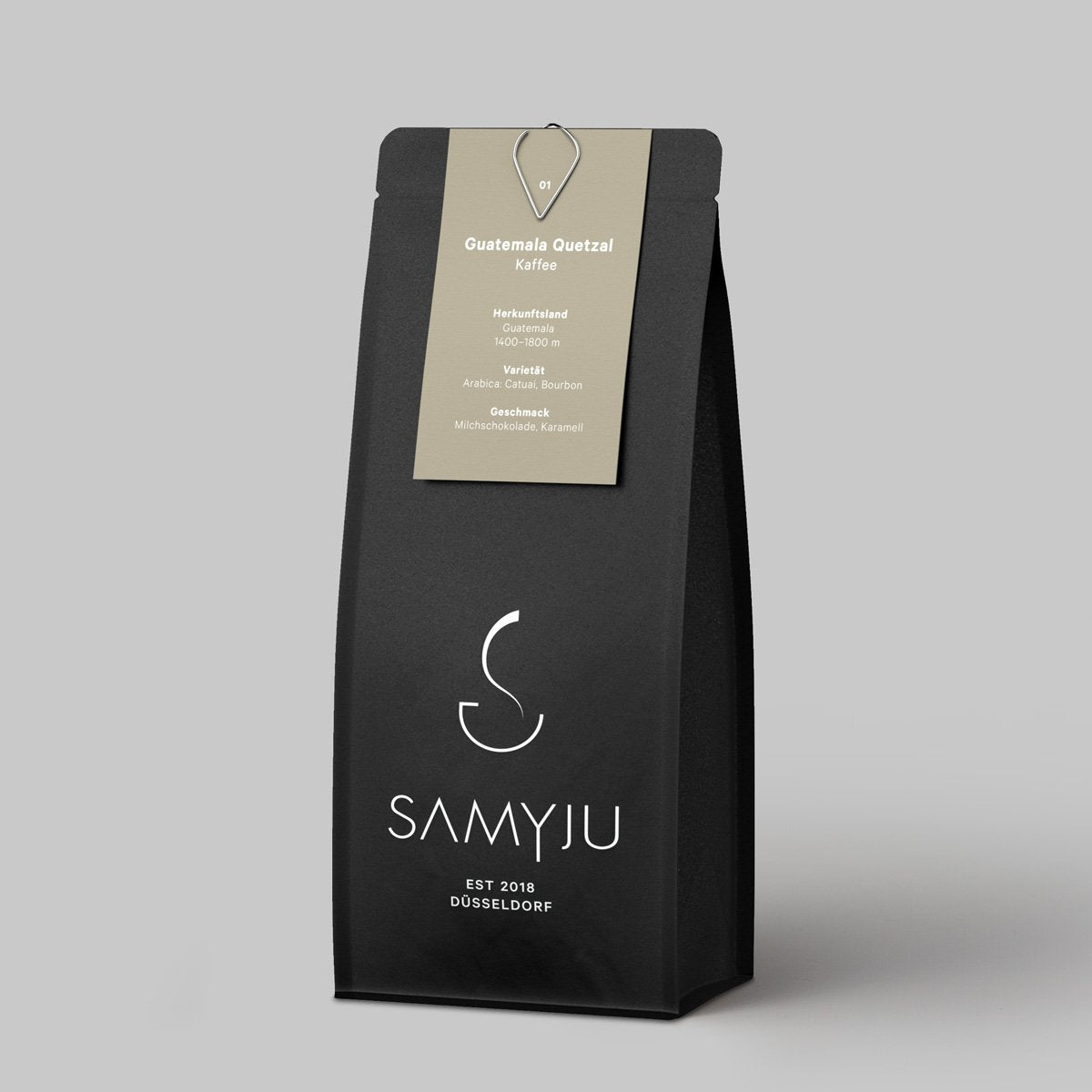
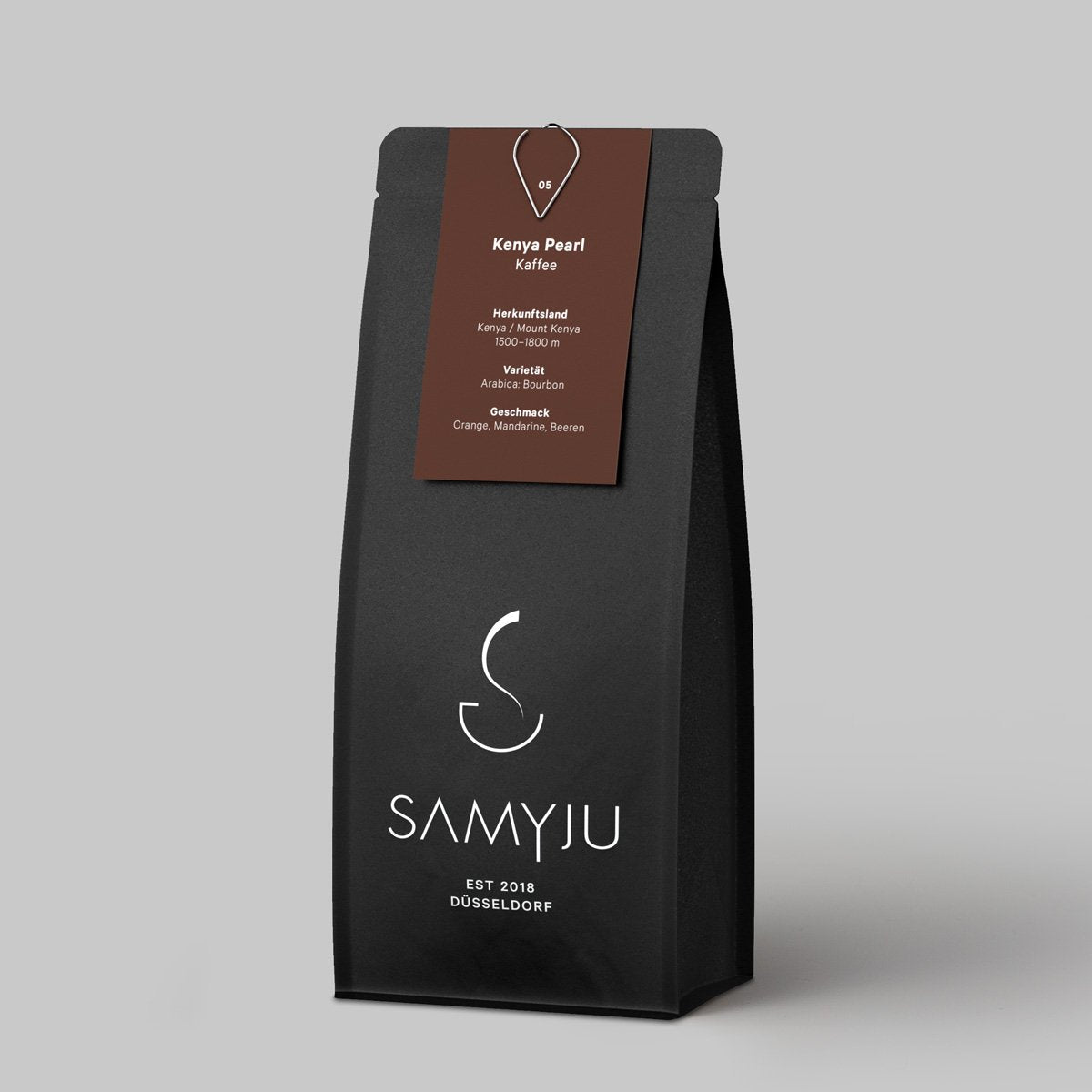
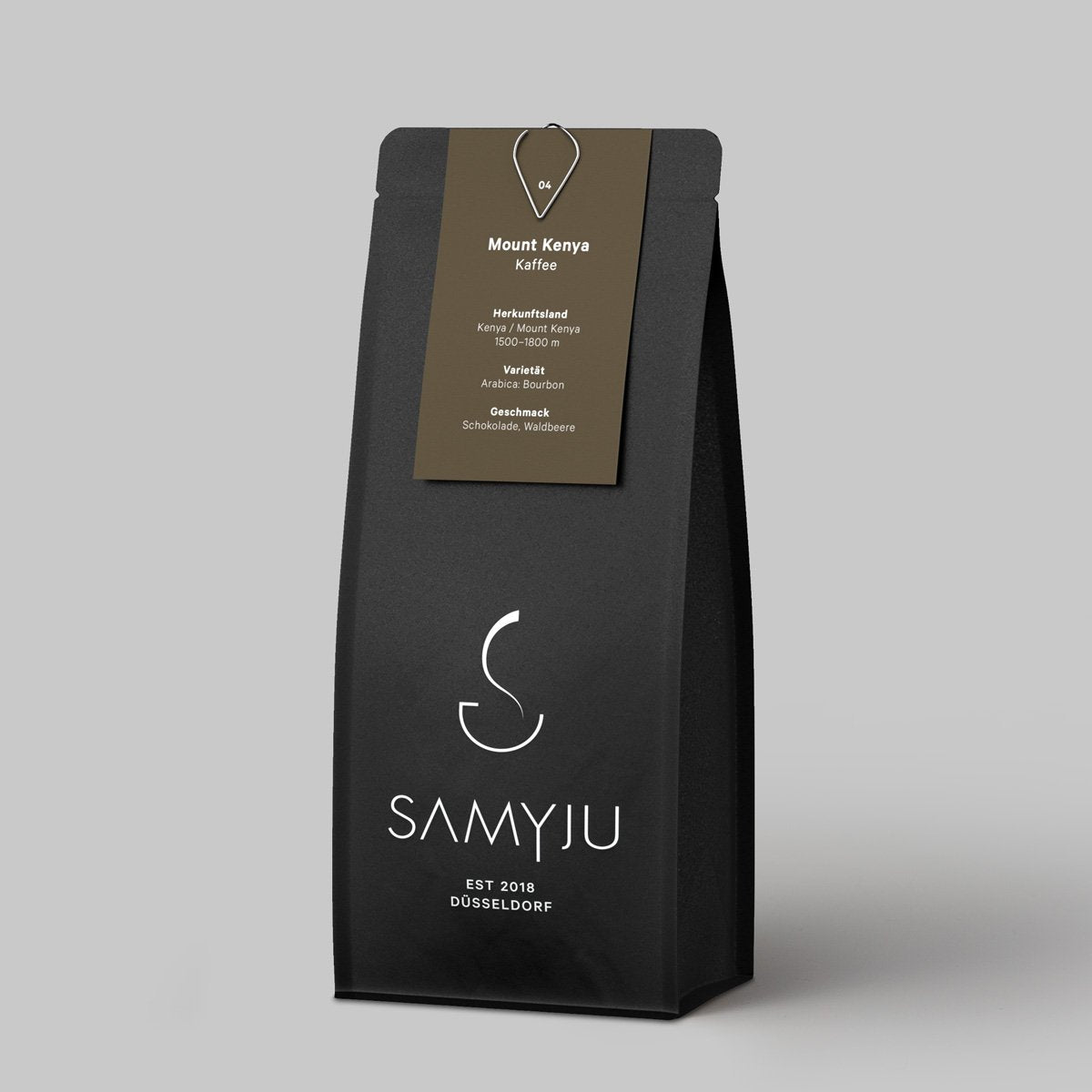
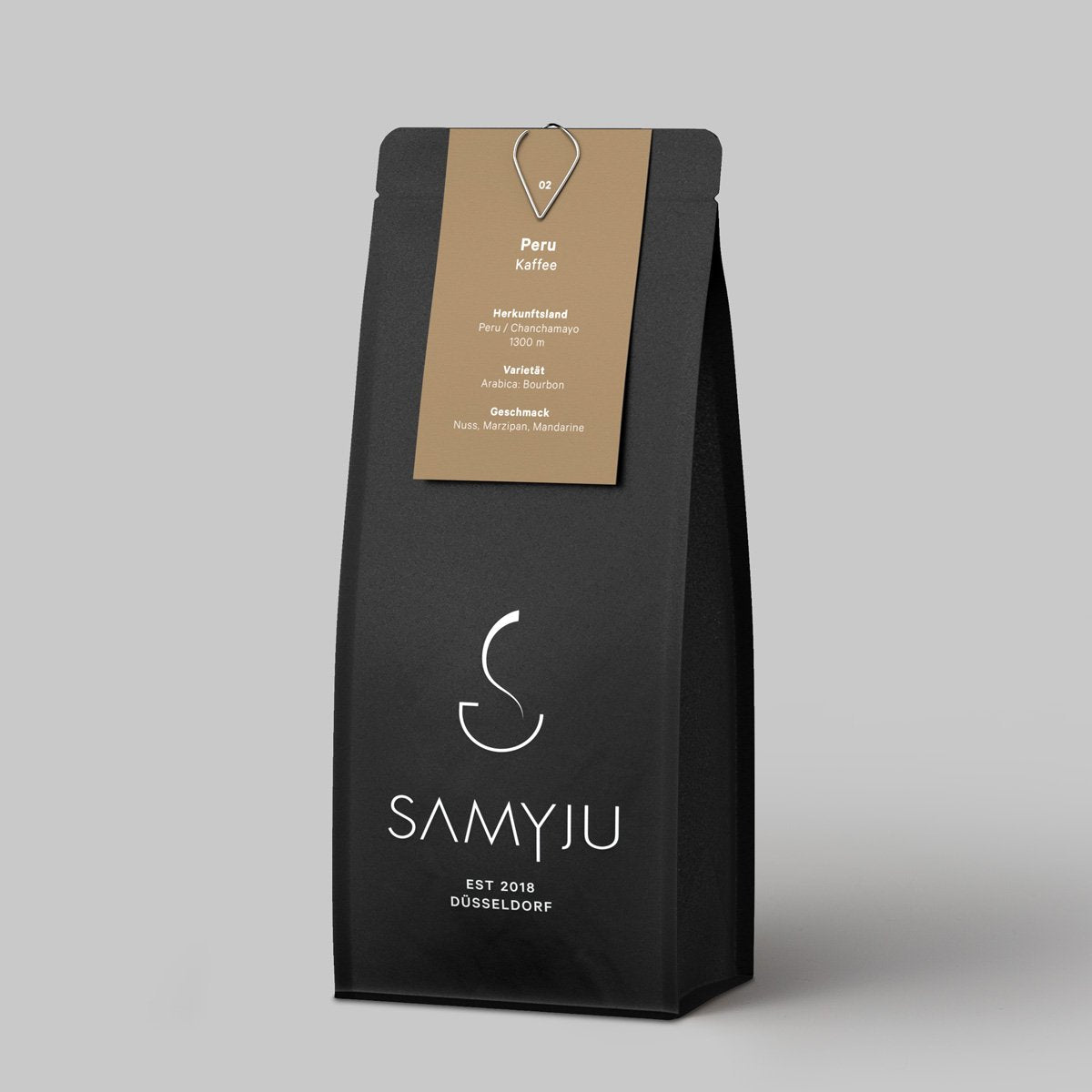
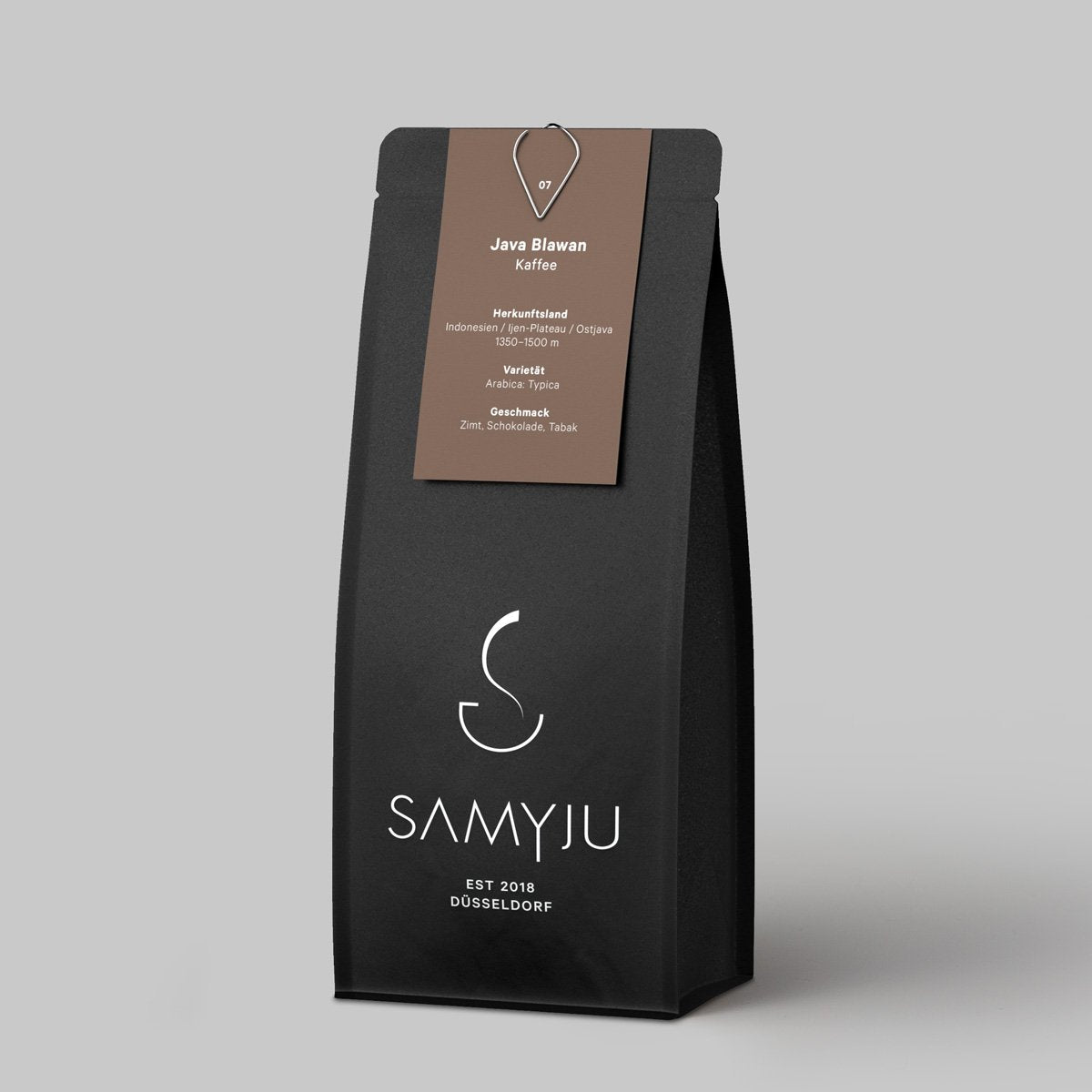

What sets Arabica apart from Robusta
Arabica grows more slowly – the plants need altitude, mild temperatures and shade. The slow ripening in cool mountain air allows more sugars and aromatic compounds to develop in the cherry. Up to 800 different aroma compounds have been identified in Arabica beans. Robusta produces around 300. In terms of flavour, this means: delicate acidity, floral and fruity notes, caramel sweetness. Less caffeine than Robusta – and therefore less bitterness in the taste.
Central and South America
Pronounced sweetness – marzipan, brown sugar, milk chocolate. Paired with world-class growing regions.
Africa / Asia
Floral notes – jasmine, bergamot, elderflower. Fruity complexity with a hint of sweetness.
Oceania
Chocolaty with lemongrass. Velvety-smooth mouthfeel. A rarity with a unique diversity of aromas.

Processing: Washed, Natural, Honey
After harvesting, the fruit flesh must be separated from the bean. How this happens significantly changes the flavour. Washed processing delivers clean, clear aromas with pronounced acidity. Natural processing brings fruity, winey notes and more body. Honey processing is the middle ground – a harmonious coffee with moderate sweetness and a soft body. At SAMYJU, we choose the roast to match the origin character of the bean.
Coffee beans for every brewing method

Medium Roast
Preserves variety-typical aromas. Fruity, floral, lively acidity. Ideal for filter coffee and pour over.

Medium-Dark Roast
Sweetness, depth, rounded acidity. Chocolate and nut in the foreground. All-rounder for bean-to-cup machines.

Dark Roast
Body and crema for espresso. Origin notes take a back seat, roast notes dominate. Optimised for portafilter machines.

Quality Standard
Only beans scoring 82 SCA points or above make it into our range. Every roast profile is developed and approved according to cupping protocol.

How to store and brew Arabica correctly
Cool, dark and sealed airtight – this is how the aromas stay preserved for up to eight weeks after the roast date. Whole beans retain their freshness significantly longer than ground coffee. Ideally, you grind just before brewing. The dosage: 60–70 g per litre of water for filter coffee, 7–9 g for a single espresso. Water temperature 92–96 °C. These parameters sound technical, but they make the difference between good and outstanding.
Frequently Asked Questions about Arabica Coffee Beans
Not as a blanket statement. Arabica delivers more complex aromas and less bitterness. Robusta brings more body, more stable crema and twice as much caffeine. In espresso blends, both varieties can complement each other meaningfully – provided the quality is right.
Arabica coffee beans offer finer aromas, less bitterness and moderate intensity. Robusta delivers more body, stronger crema and twice as much caffeine. In espresso blends, both varieties complement each other – provided the Robusta beans come from controlled cultivation.
Medium roasted Arabica is particularly suited for filter coffee machines and pour over – this is where the variety-typical aromas come into their own. Medium-dark roasts work well in bean-to-cup machines. Darker Arabica roasts are optimised for espresso from the portafilter machine.
Our Arabica beans come from selected growing regions on four continents: Africa, Central and South America, Asia and Oceania. Every harvest is tasted according to SCA protocol and only released after passing the quality inspection.
In an airtight container at room temperature, dark and dry. Not in the fridge – moisture and foreign odours damage the aroma. Whole beans stored this way retain their full quality for up to eight weeks after roasting.