



What is the difference between coffee and espresso?
Coffee is the umbrella term – espresso is a method of preparation. The decisive difference lies not in the bean but in how water and ground coffee come together. With espresso, hot water is forced under high pressure (approx. 9 bar) through finely ground coffee powder in just a few seconds. The result: concentrated, full-bodied, with a stable crema. With filter coffee, hot water flows slowly and without pressure through medium-coarse ground coffee powder – with more fruitiness, transparency and differentiation in the aromas.
Espresso-based
Espresso, Doppio, Ristretto, Cappuccino, Latte Macchiato, Flat White, Cortado, Americano – all are based on an espresso extraction with pressure.
Filter coffee-based
Black coffee from a pour over, Chemex or filter coffee machine. Cold Brew and infusion variants also count as filter preparation.
Bean-to-cup machine
Bean-to-cup machines work with pressure – technically espresso-based, then. This requires beans with a stable crema and balanced sweetness.

Artisan roasting
All SAMYJU coffees are roasted on a drum roaster. That means: gentle, even heat application that preserves the aroma structure of the bean rather than destroying it. Every batch carries a best-before date – no stockpiling, no warehouse goods. Our roast profiles differ by brewing method: espresso roasts develop more body and sweetness through a longer roasting time. Filter coffee roasts stay a little lighter to preserve fruitiness and acidity structure.
The right preparation for your espresso

Freshly roasted
Every order is freshly roasted on the drum roaster. Best-before date on every package.

Traded directly
We know the farms, the families, the cultivation methods. Fair prices instead of world market dumping.

Delivered quickly
Aroma-sealed packaging and at your doorstep within a few days. It only gets fresher at our roastery.

With Attitude
We do not roast for the mass market. We roast for people who can taste the difference.

Which coffee is right for you?
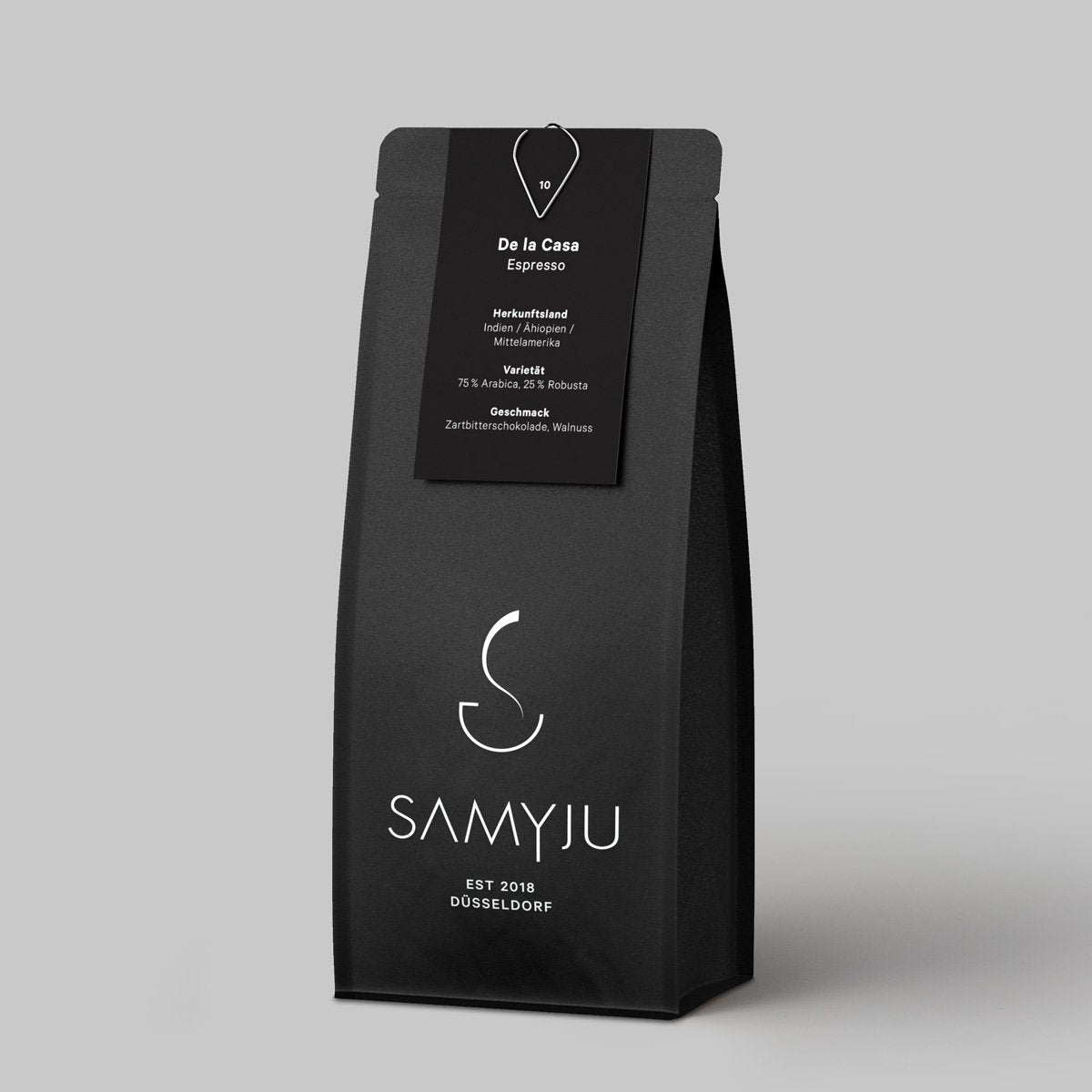
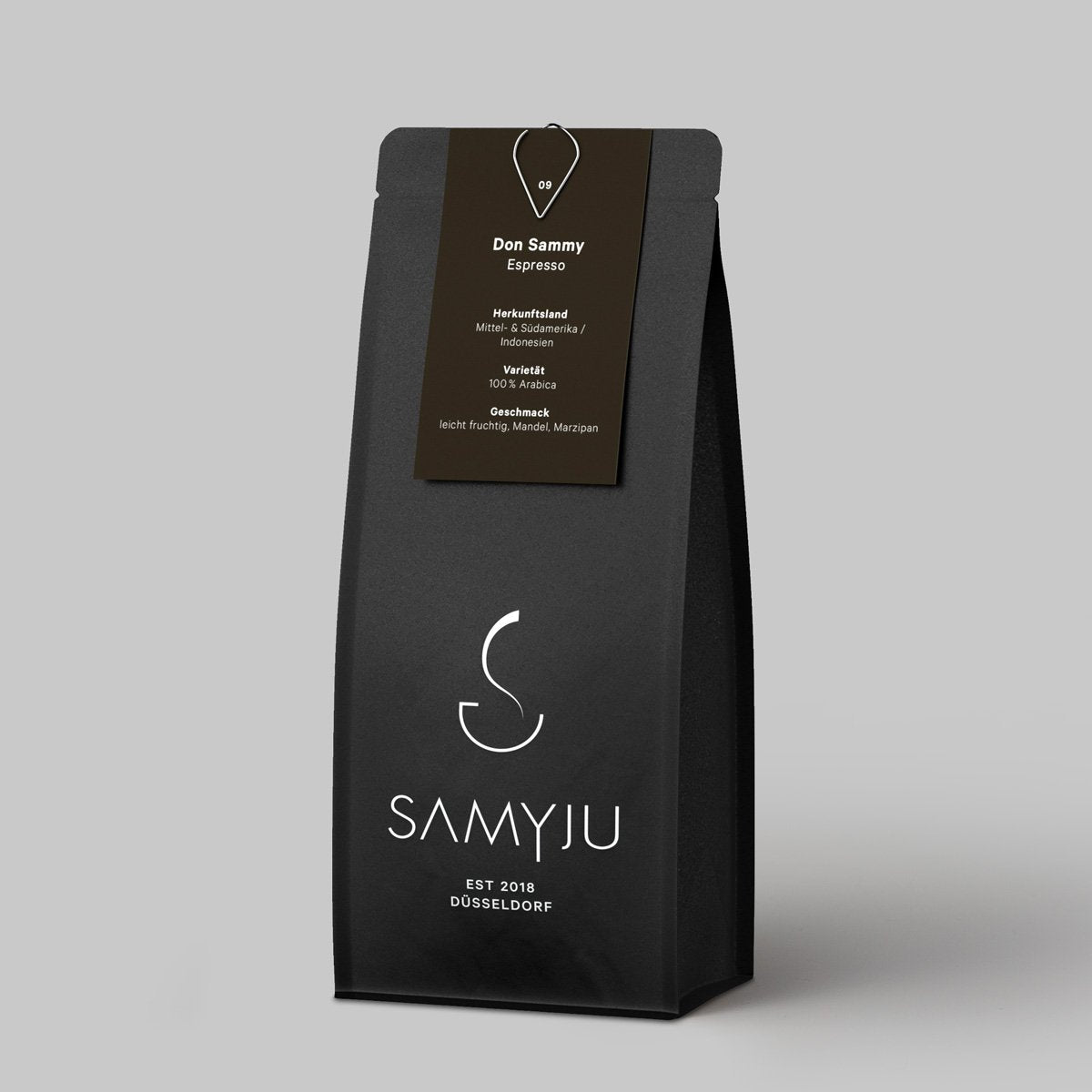
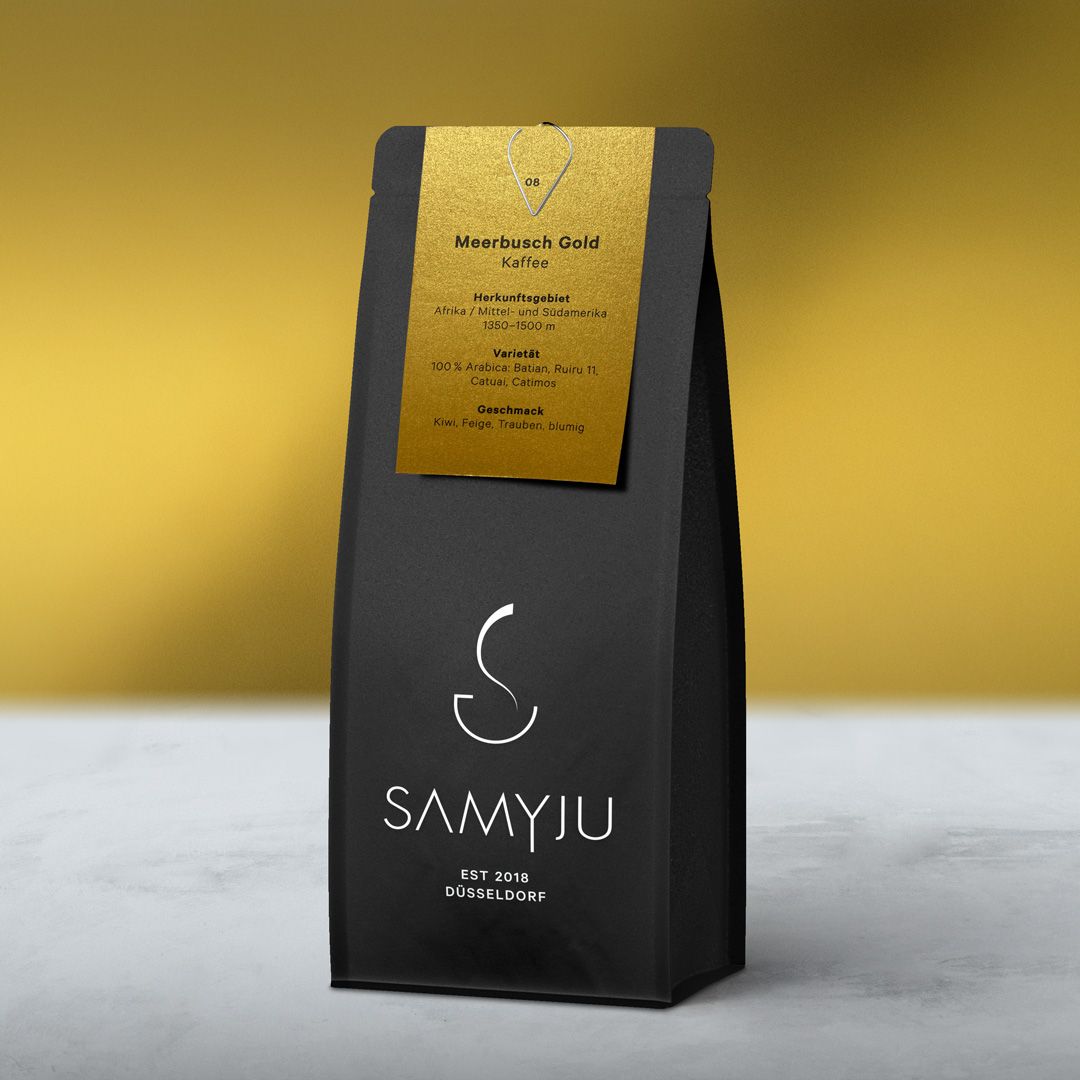
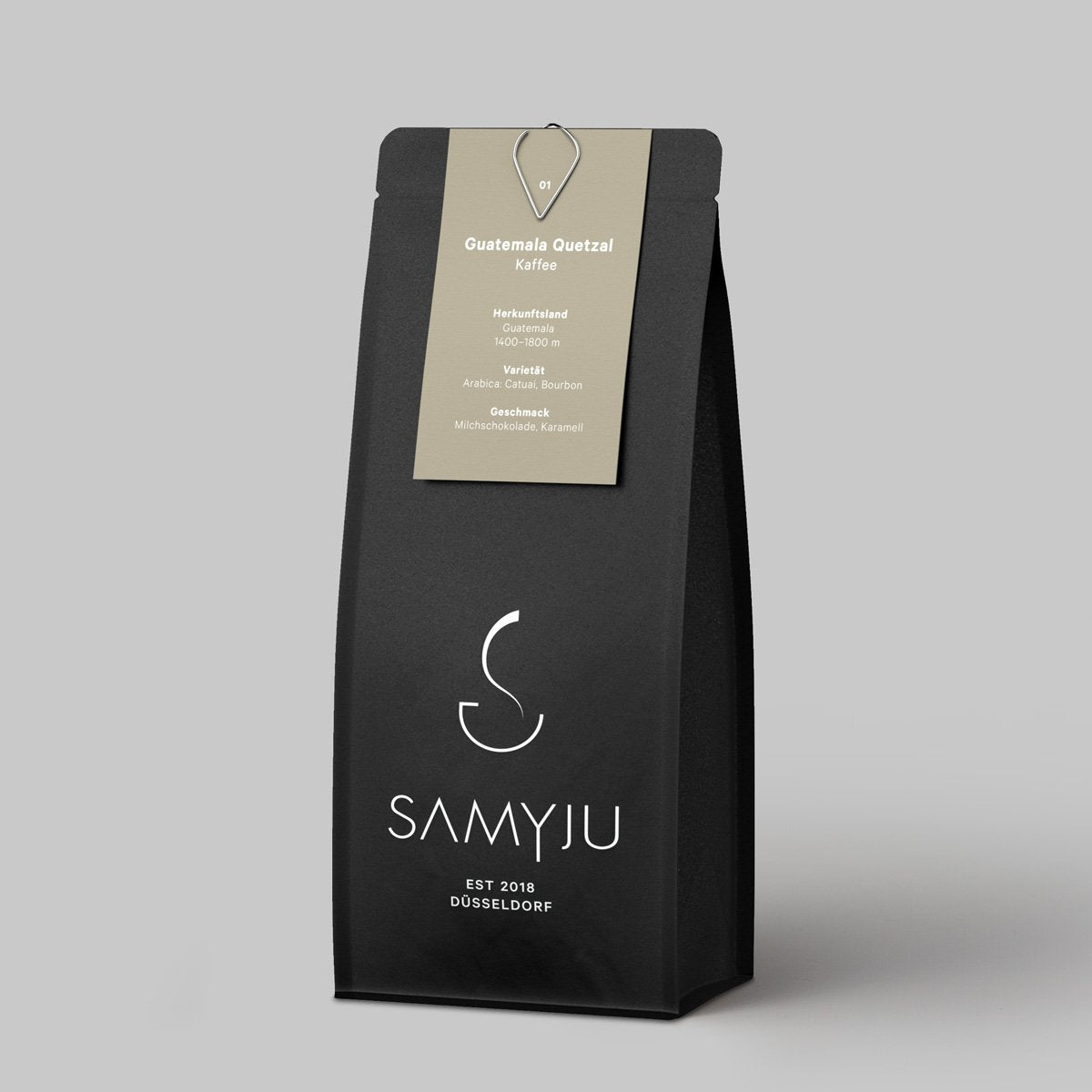
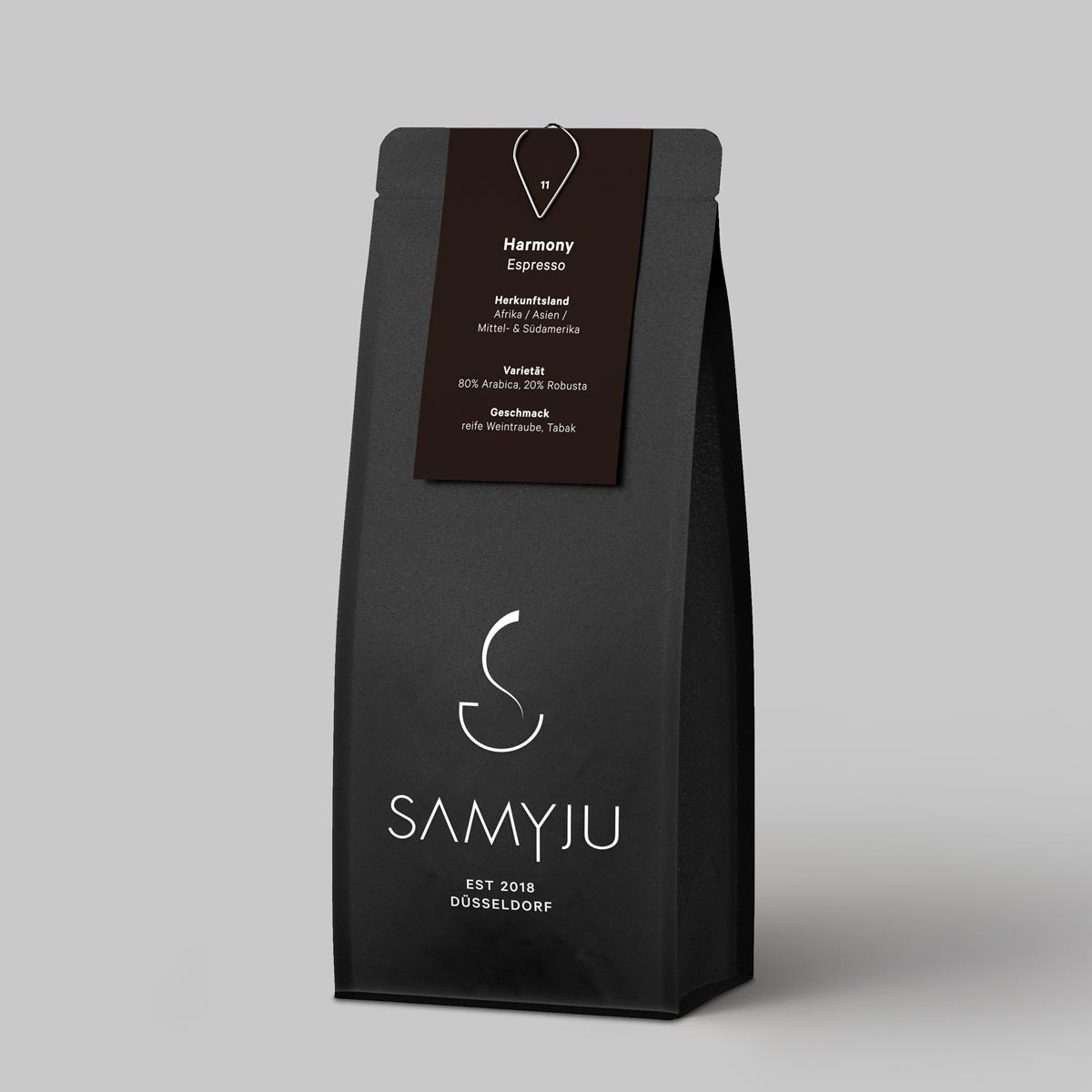
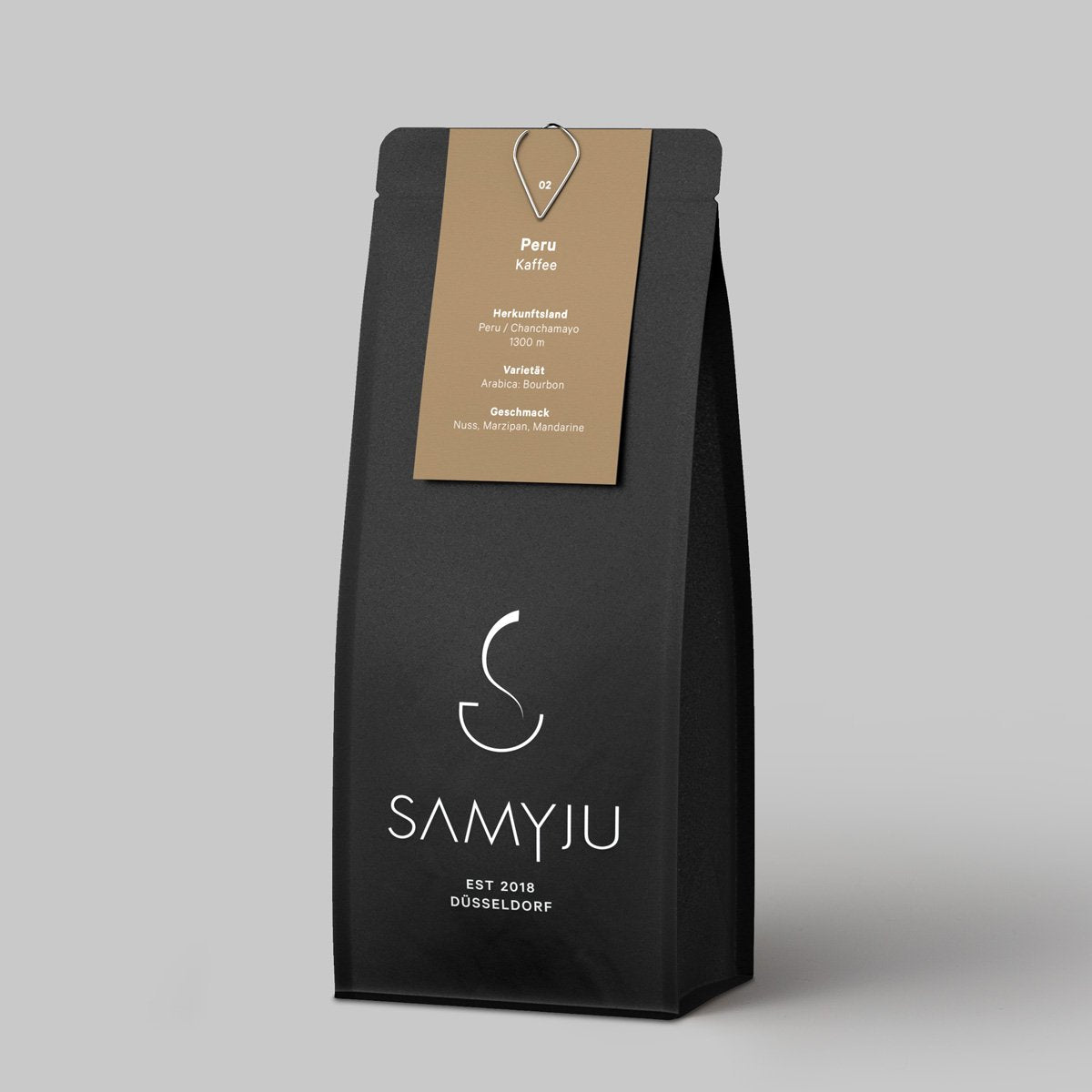
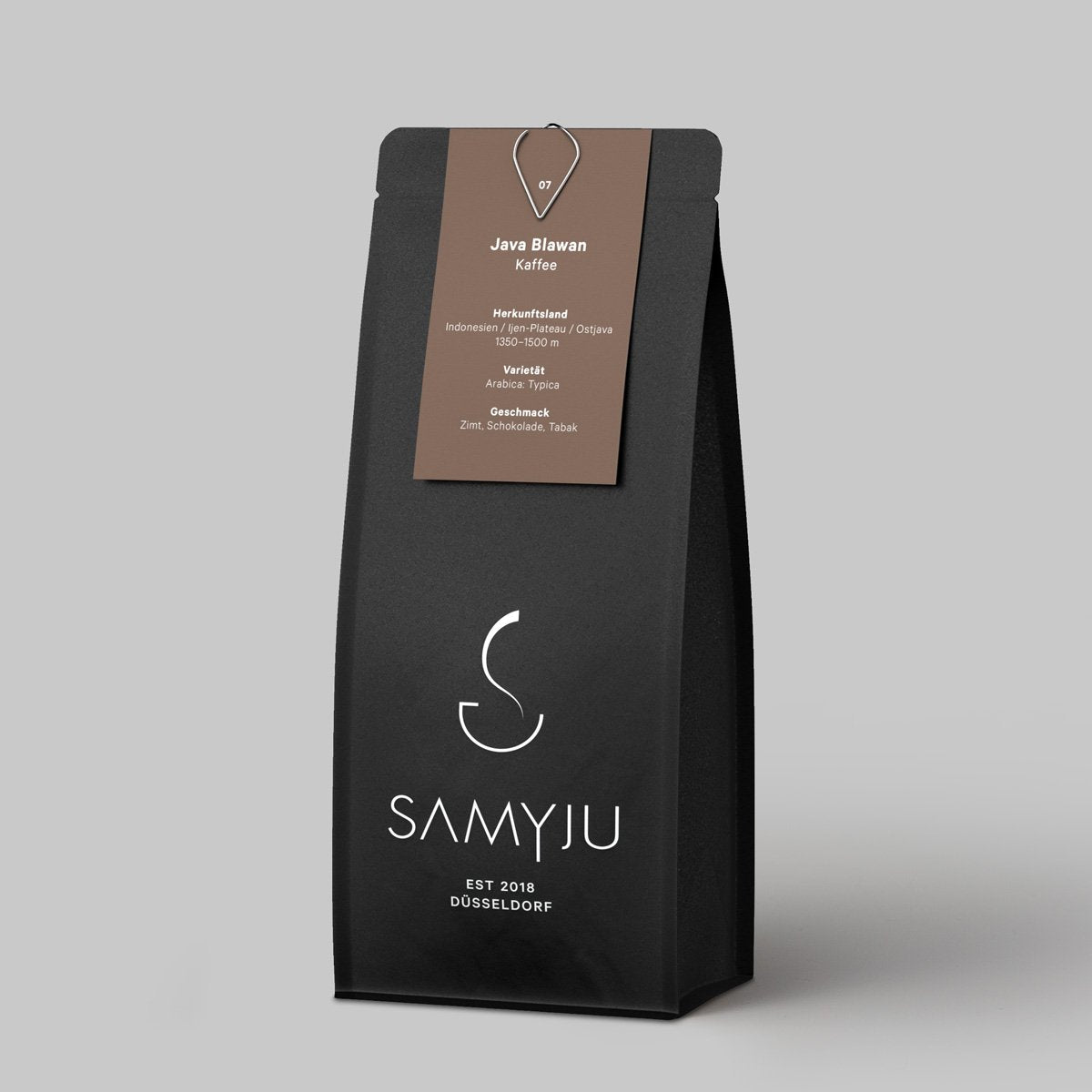
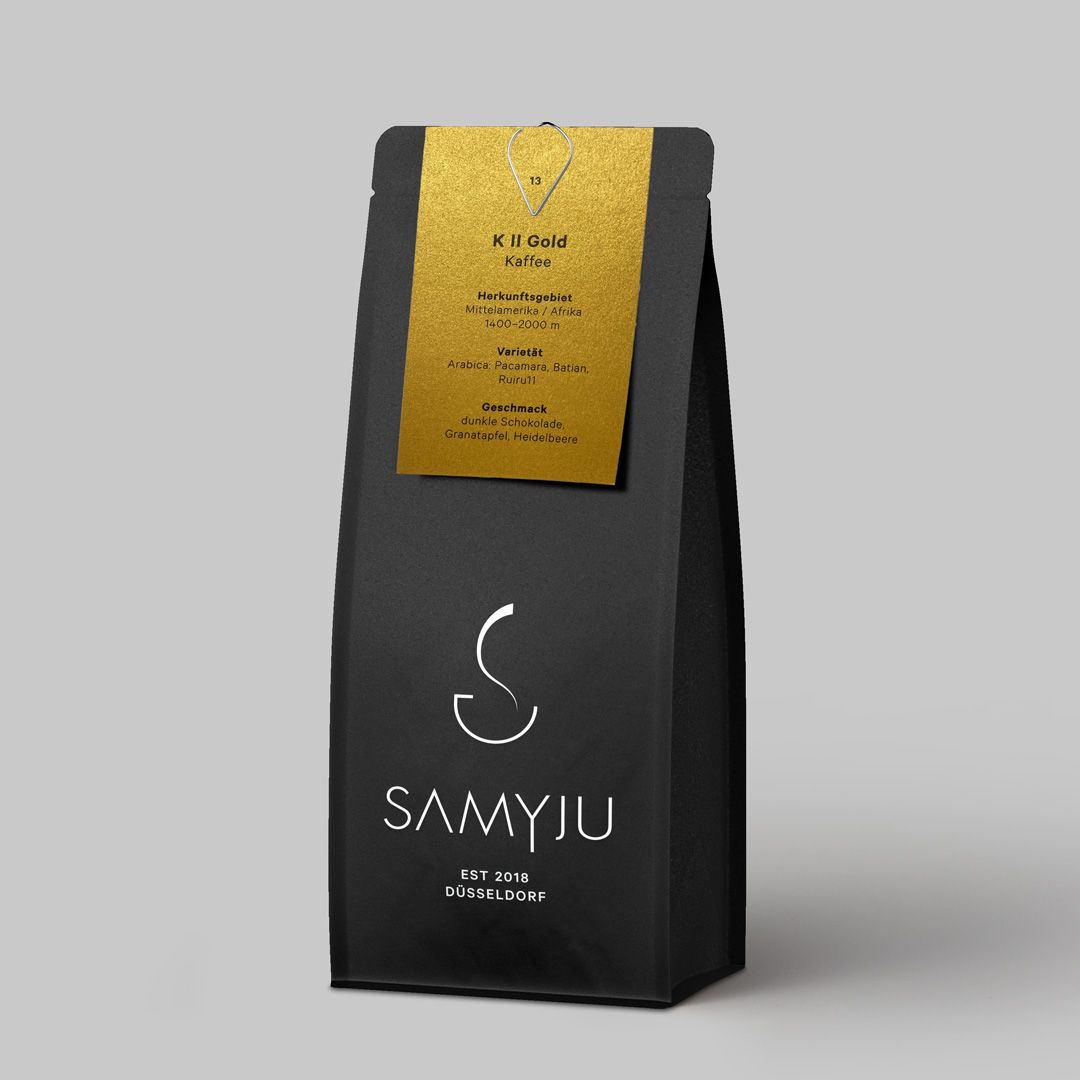
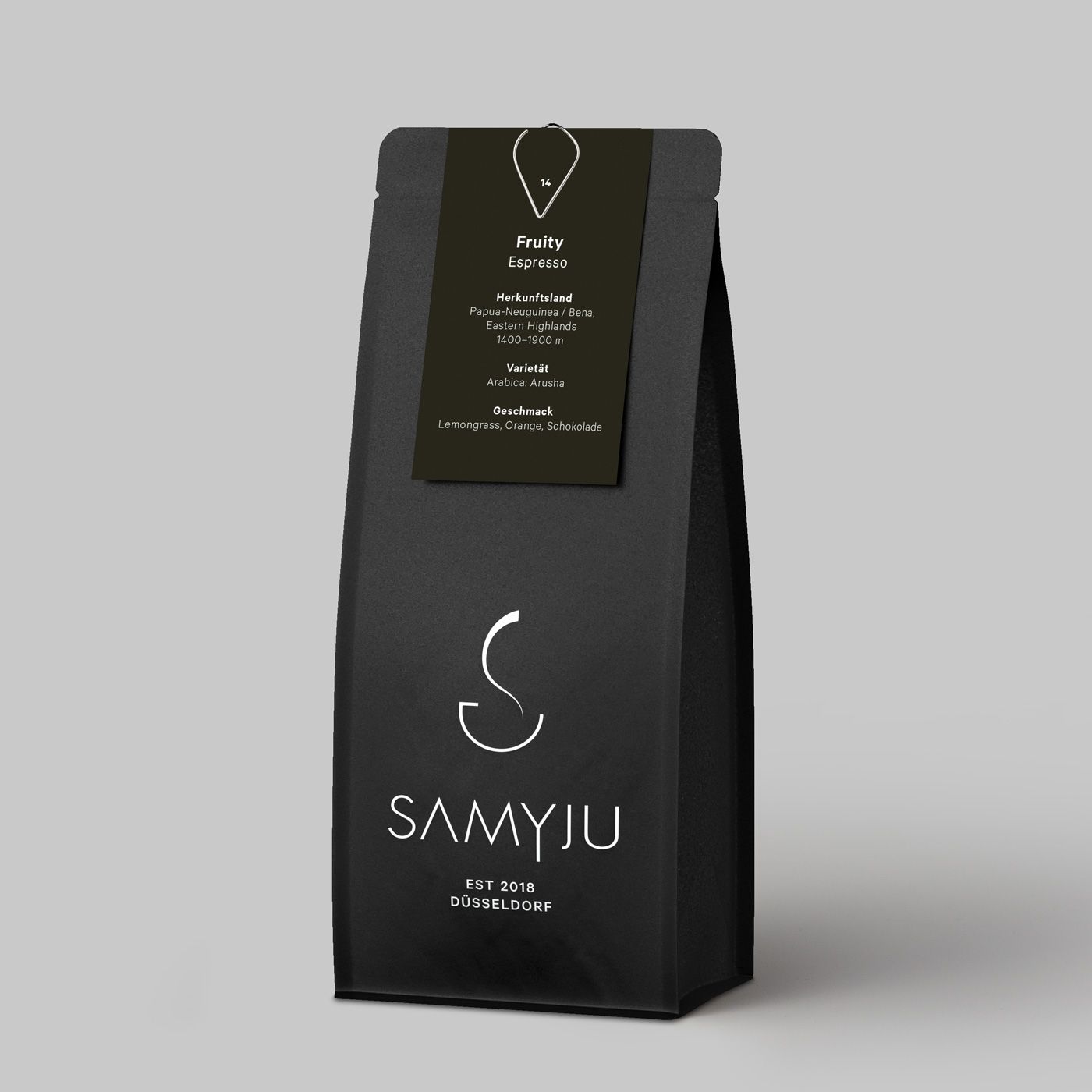
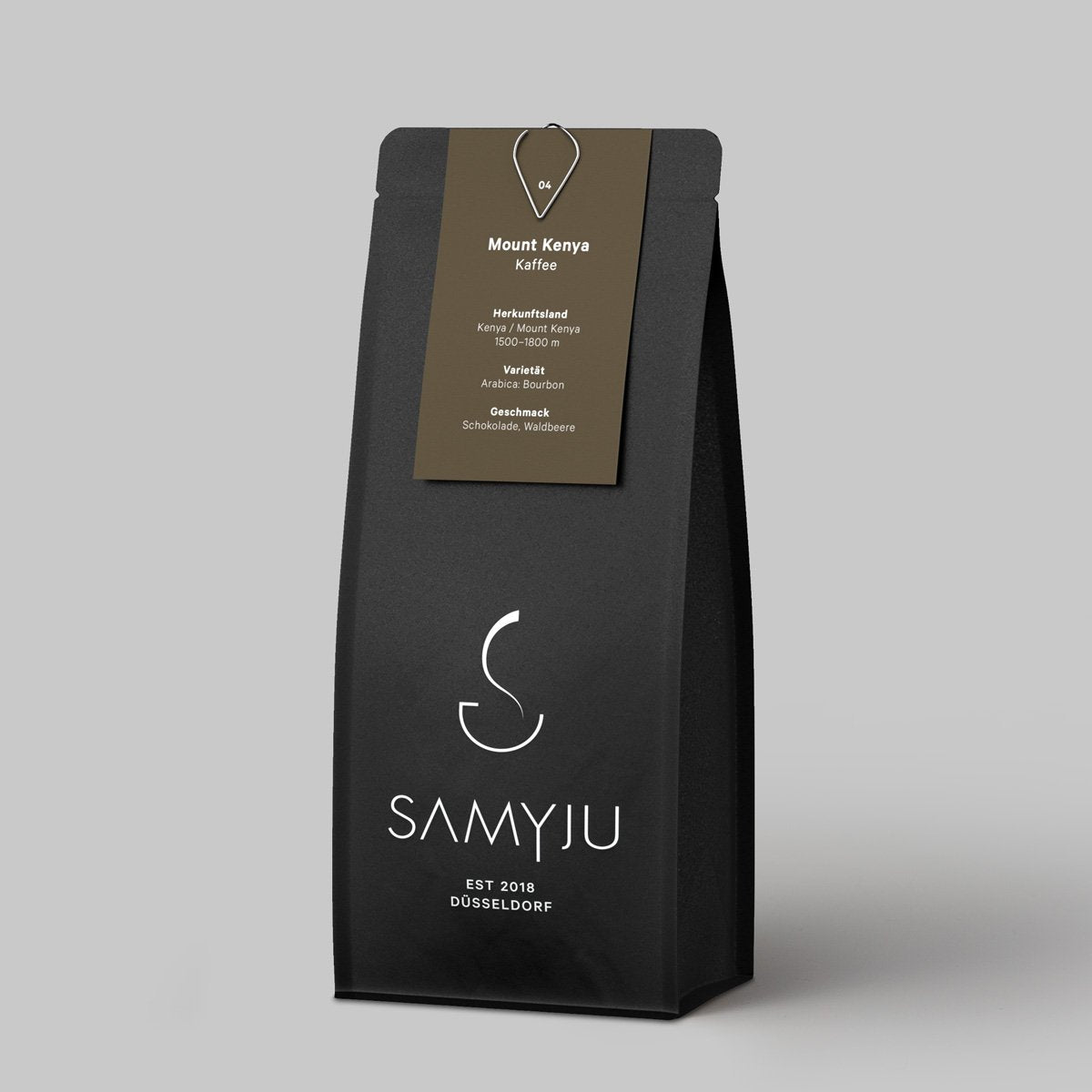
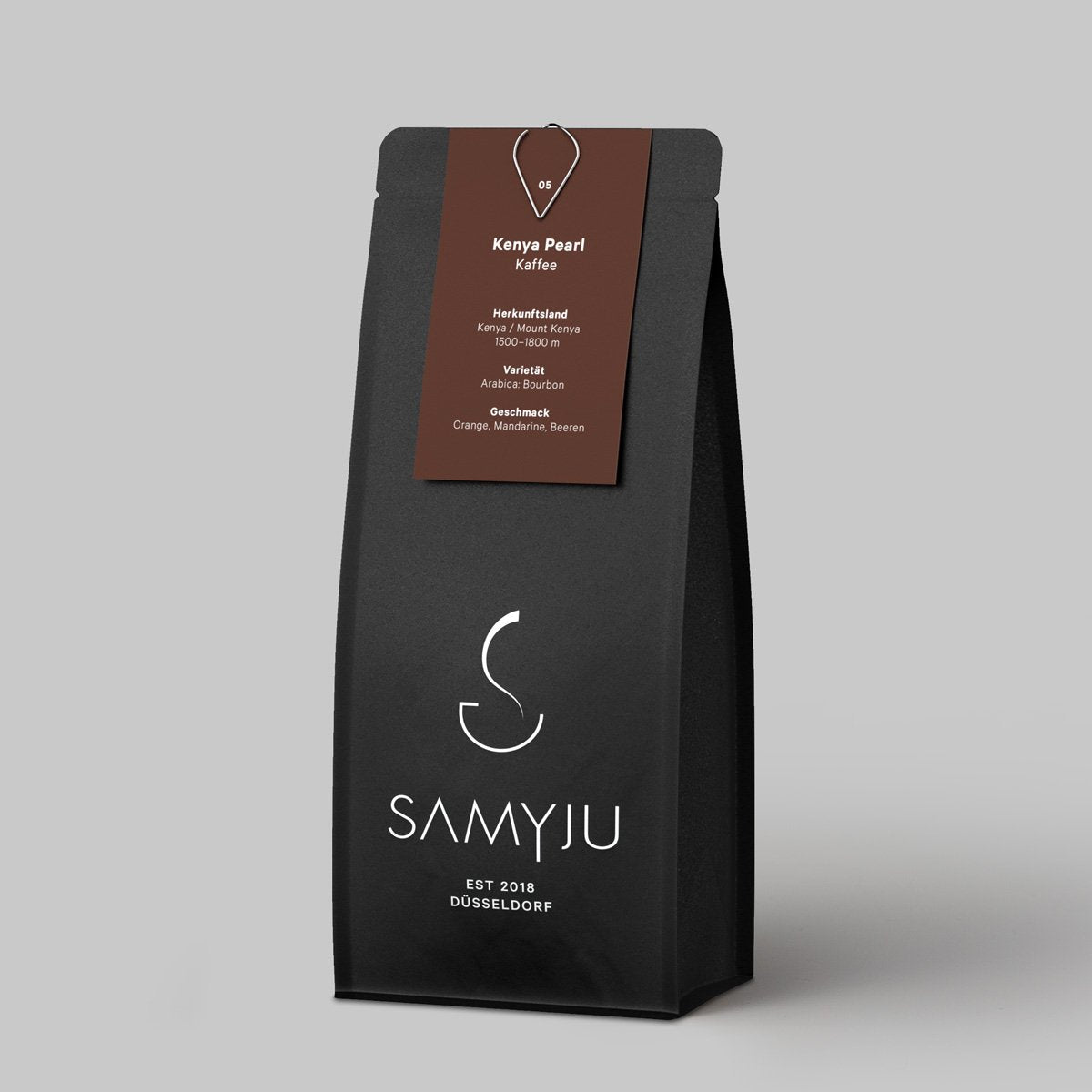
If you like it full-bodied, bold and creamy: our espresso line. De la Casa, Don Sammy, Noble and Harmony are precisely tuned for pressure and crema – for portafilter machines, bean-to-cup machines and stovetop Mokka makers. If you like it clear, fruity and differentiated: our single origins. Kenya, Peru, Guatemala and Java unfold their complexity in the pour over and Chemex. If you want both: Meerbusch Gold or KII Gold as all-rounders – suitable for espresso and filter preparation alike.
Frequently Asked Questions about coffee & espresso
Single Origin means: the coffee comes from a single farm or cooperative in a defined growing region. We know the origin of every bean – not just the country, but the region, the farm, and in many cases the family.
Freshly roasted coffee in aroma-sealed packaging is shelf-stable for 6–12 months. Once opened, it should be consumed within 4–6 weeks. The roast date on every SAMYJU package shows you when your coffee was roasted.
Fine for portafilter machine and stovetop Mokka maker. Medium for pour over, Chemex and filter coffee machine. Coarse for French Press and Cold Brew. Those who buy whole beans should grind them just before brewing.
Yes. Selected varieties are also available ground – selectable as a variant on the respective product pages. For the best aroma, however, we recommend whole beans and grinding fresh.