


Why the bean decides everything with a portafilter machine
The portafilter machine is the most honest tool in the coffee kitchen. It does not forgive bad beans, but rewards great ones with a cup that no bean-to-cup machine can replicate. Thick, hazelnut-brown crema. Concentrated flavour. An aroma that fills the room before you even take the first sip.
A portafilter pushes hot water at 9 bar pressure through finely ground coffee – in 25 to 30 seconds. That is a highly concentrated extraction that reveals every nuance of the bean. Every strength. Every flaw. Industrial coffee fails here immediately. Beans that are too old produce no crema. Roasts that are too dark taste ashy. Your portafilter machine needs beans that are tuned to precisely this brewing method.

Our roast profile for coffee
We roast our coffees on a classic drum roaster. Slowly guided, with precise temperature control. The roast takes at least 16 minutes, depending on the origin, density and processing of the beans.
Our goal: pass the first crack cleanly, push the development far enough for sweetness and body – but stop before roast aromas overpower the origin character. The result is an espresso with depth. Chocolate and caramel as the foundation, topped with notes of nut, stone fruit or dark berries depending on the origin.
Classic espresso
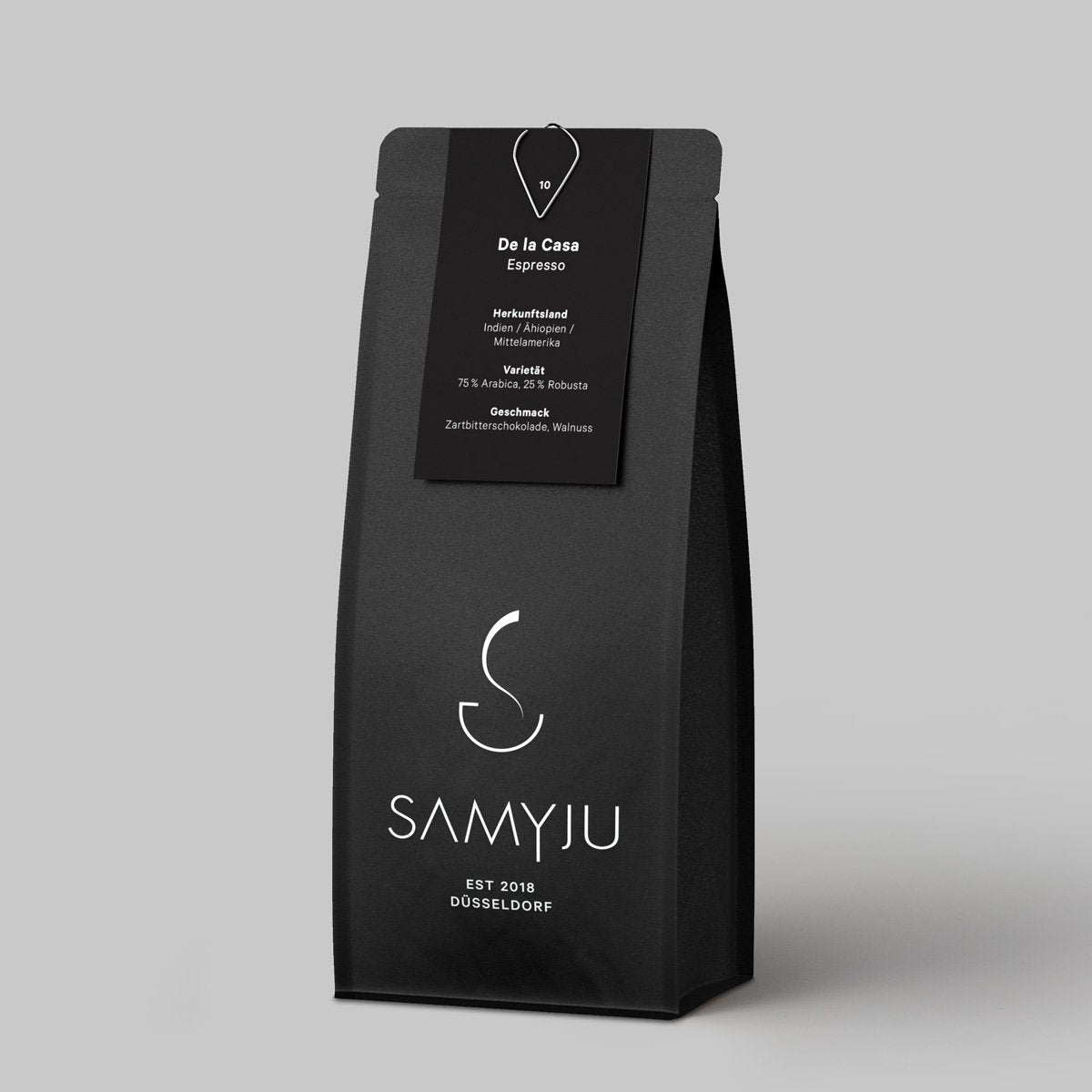
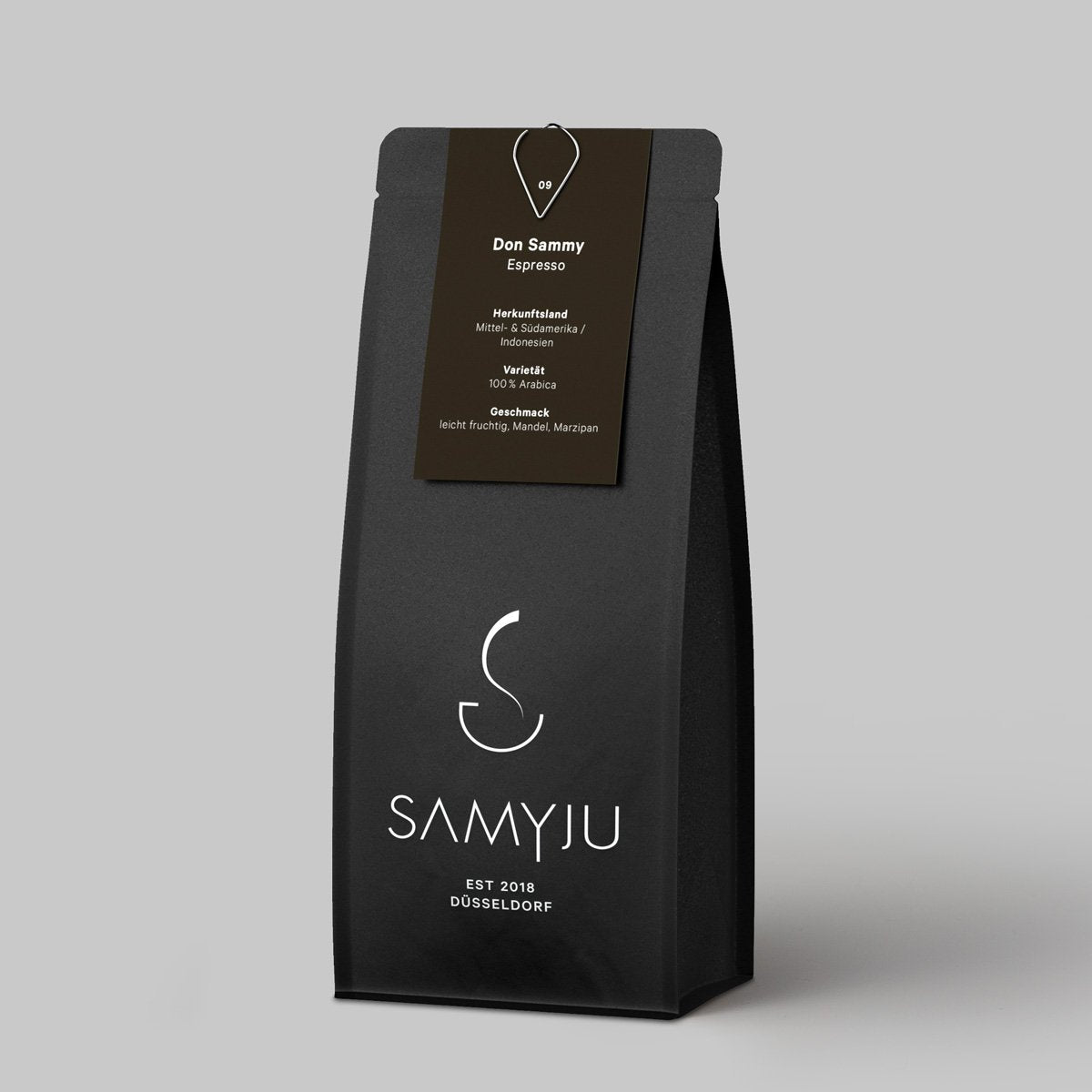
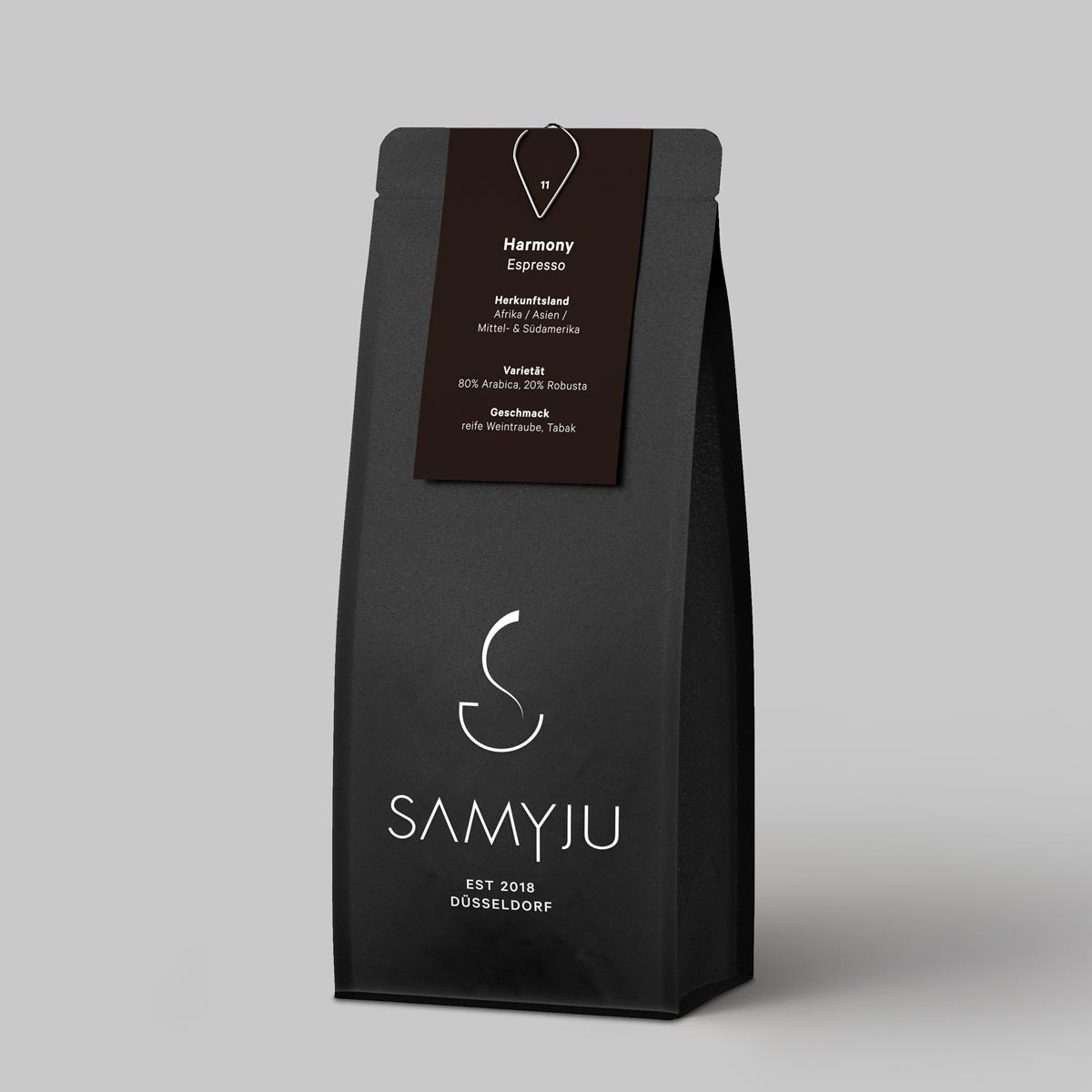
Our espresso blend combines South American and Asian beans. Chocolate, walnut and caramel in the foreground. Bold, full-bodied, with a dense crema. Also excellent as a base for cappuccino and latte.
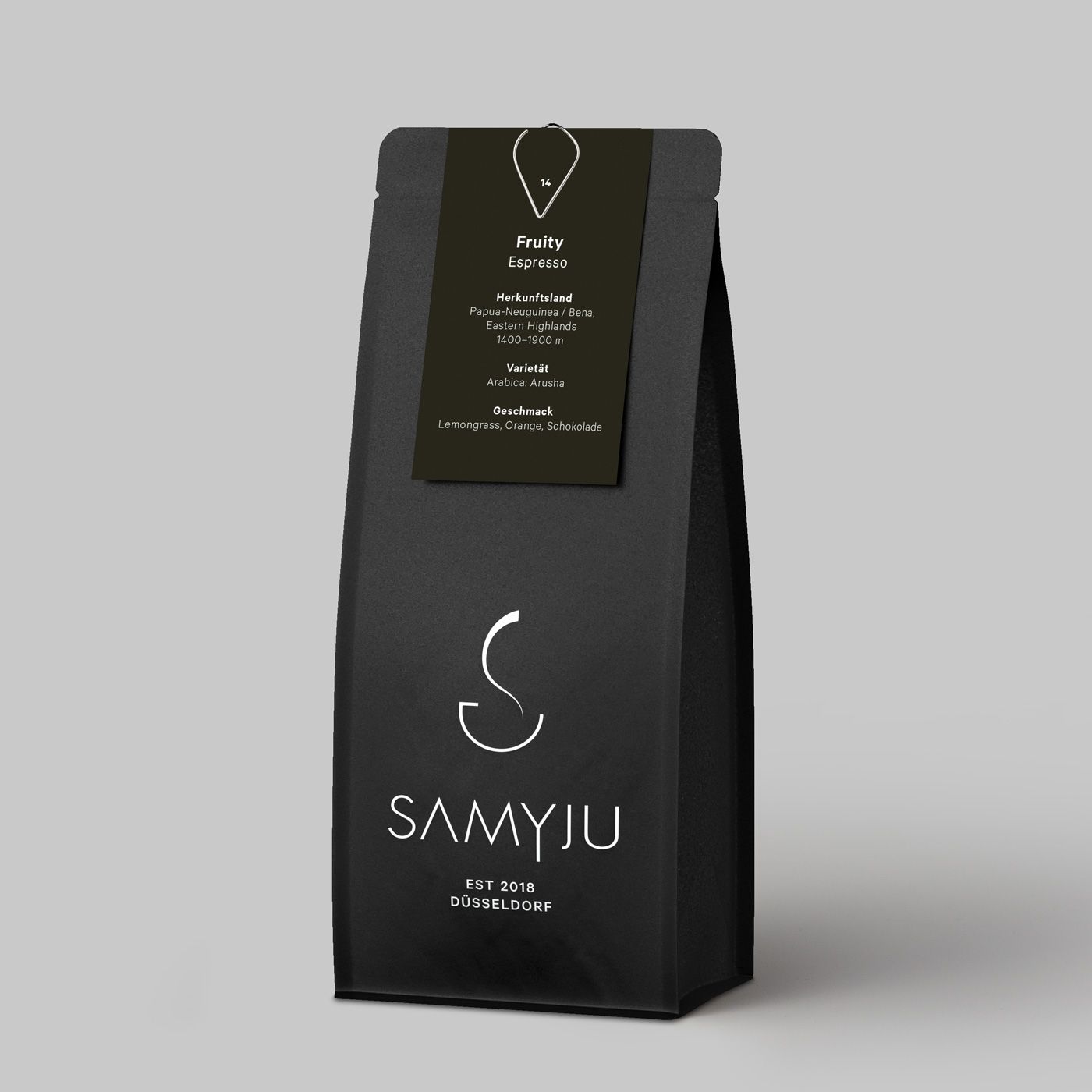
Fruity espresso
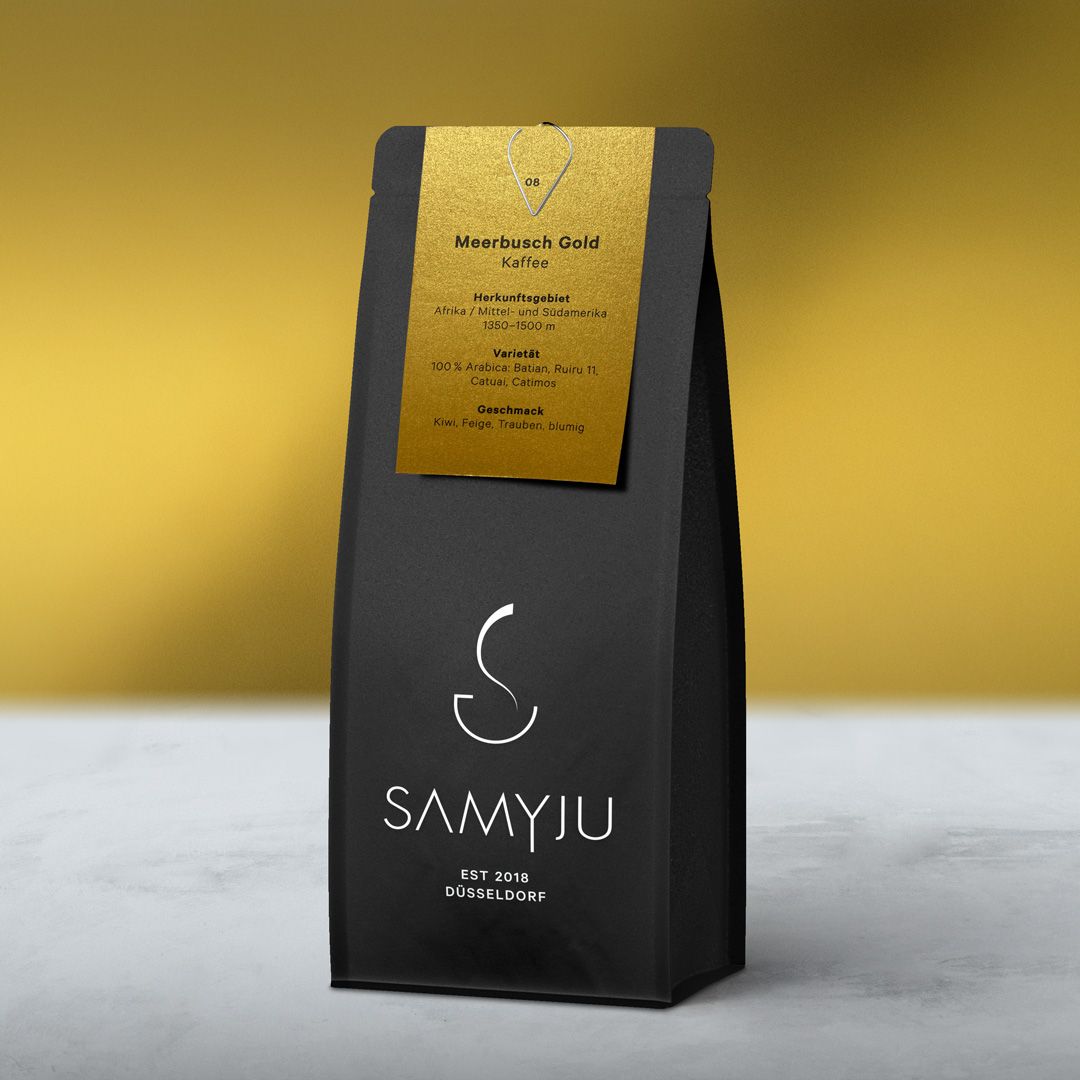
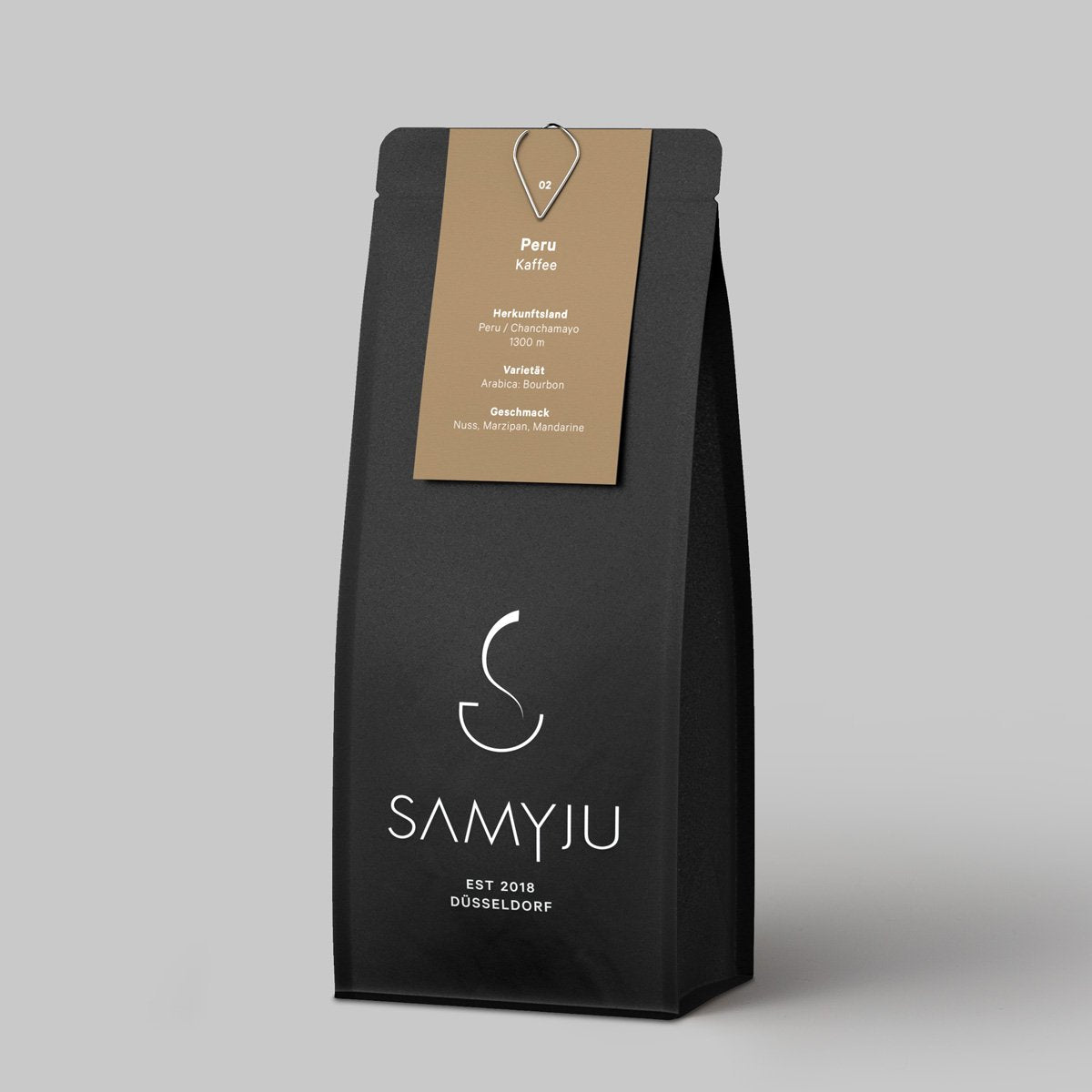
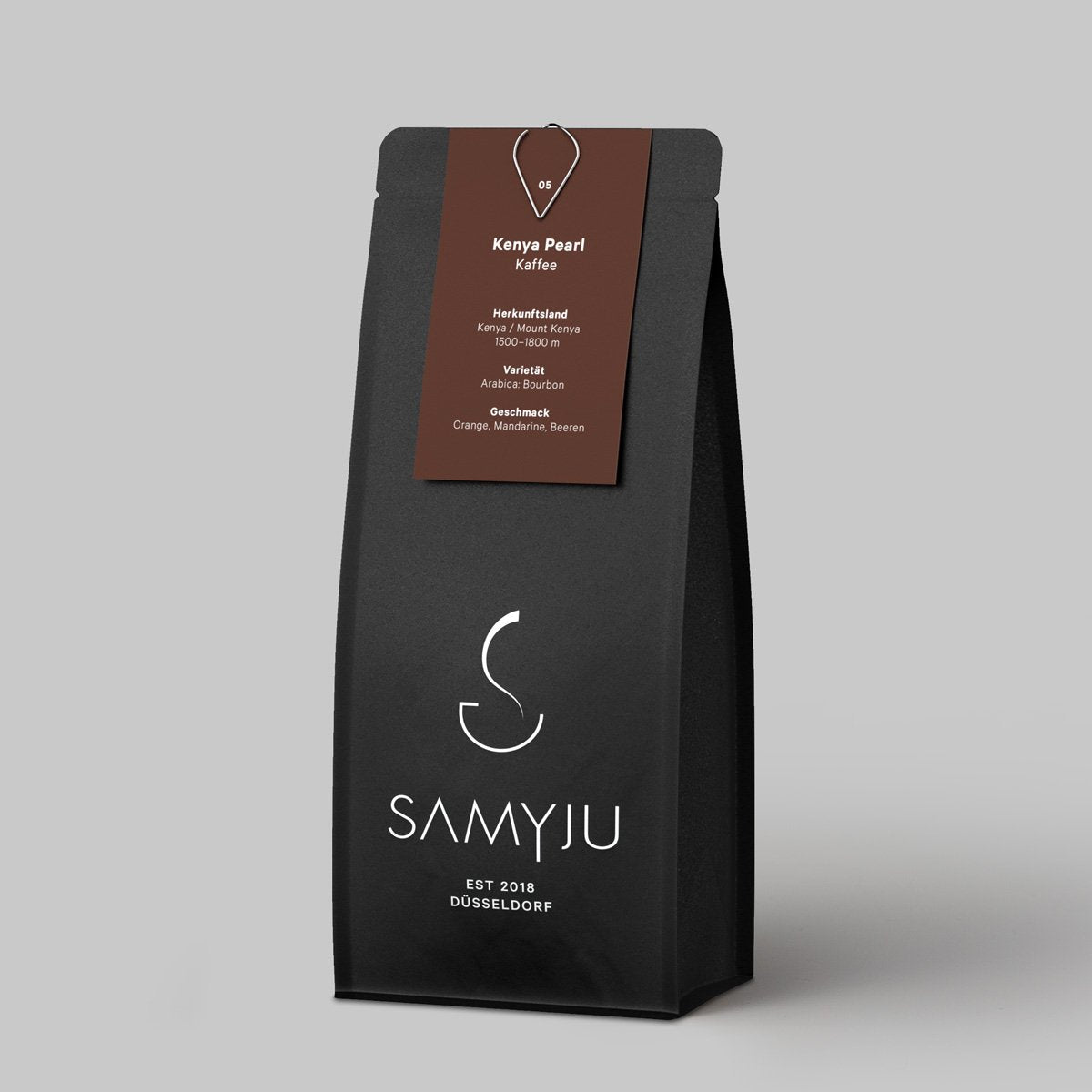
African single origins bring citrus and tropical fruit. As an espresso, a true experience – not for everyone, but for explorers.
Grind size, dose and extraction – the fundamentals

Grind size
Fine, but not powder-fine. The coffee grounds should feel like fine sand. Too fine leads to channeling and bitterness, too coarse to a watery result.

Dose
18 to 20 grams for a double shot. Weighing instead of guessing makes a real difference. A small coffee scale costs little and changes a lot.

Extraction
25 to 30 seconds for 36 to 40 millilitres of espresso. If it runs faster, grind finer. If it runs slower, grind coarser.

Tamping
Even and level. Not too firm, not too loose. The goal is a level coffee bed through which the water can flow evenly.

From the roastery into your portafilter
Espresso beans are packed and shipped after the appropriate resting period. During this phase, they have released enough CO2 to extract cleanly, but still retain their full aroma potential.
Our roastery is located in Meerbusch. Sammy and his team roast fresh on a regular basis. The best-before date is printed on every pack: you always know how fresh your coffee is. Order online, shipped quickly, in aroma-sealed packaging.
Frequently Asked Questions about Coffee for Portafilter Machines
Freshly roasted espresso beans with a medium to dark roast. What matters is a roast profile tuned to the short, pressurised extraction in the portafilter. At SAMYJU, we roast slowly on a drum roaster, with a focus on sweetness and body.
Fine, but not powder-fine – comparable to fine sand. The grind size determines the flow time: 25 to 30 seconds for a double espresso (36–40 ml) is the benchmark. Too fast means too coarse, too slow means too fine.
Bitter espresso is usually caused by over-extraction: grind size too fine, extraction time too long or water temperature too high. Beans that are roasted too dark can also cause ashy bitterness. Try a slightly coarser grind size first.