


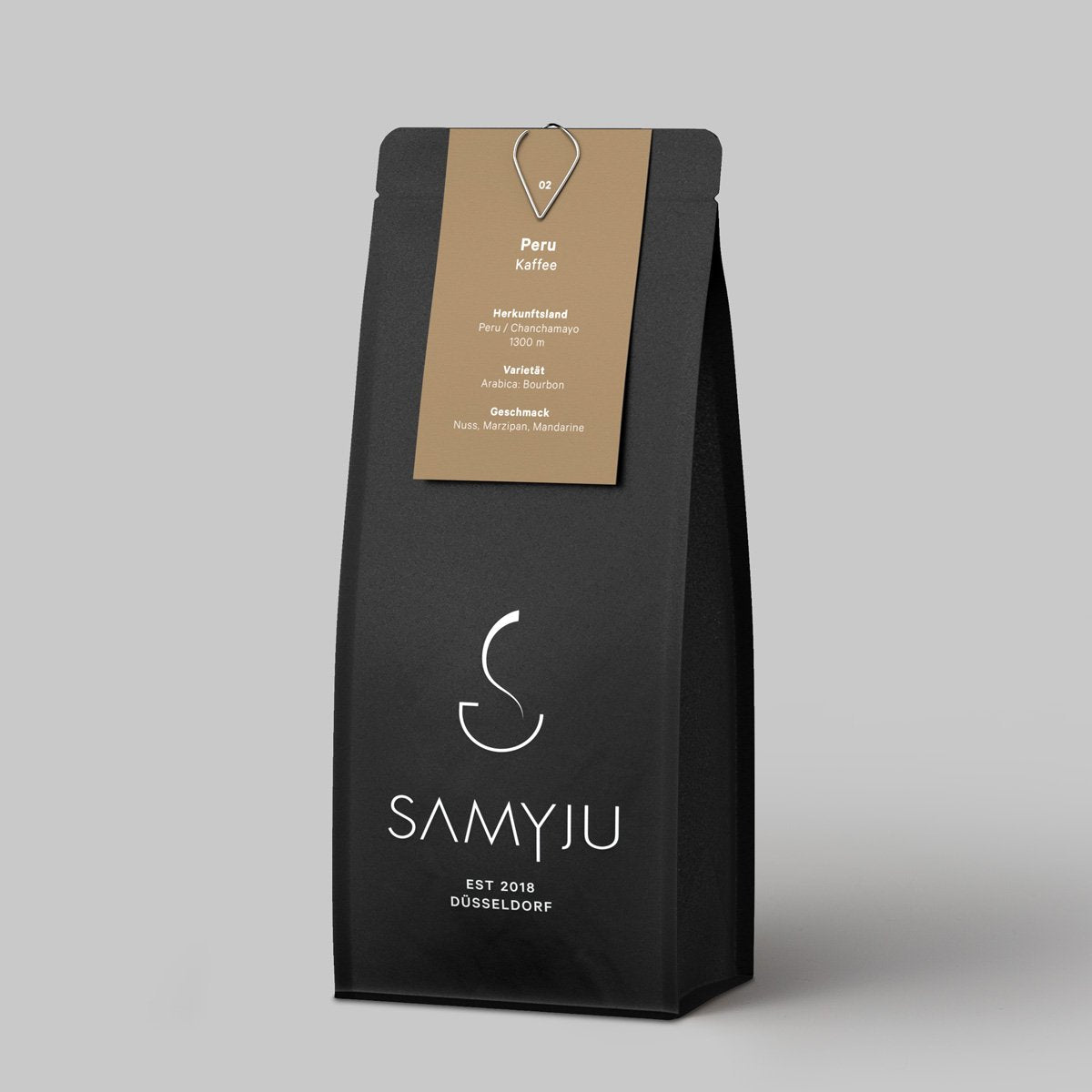
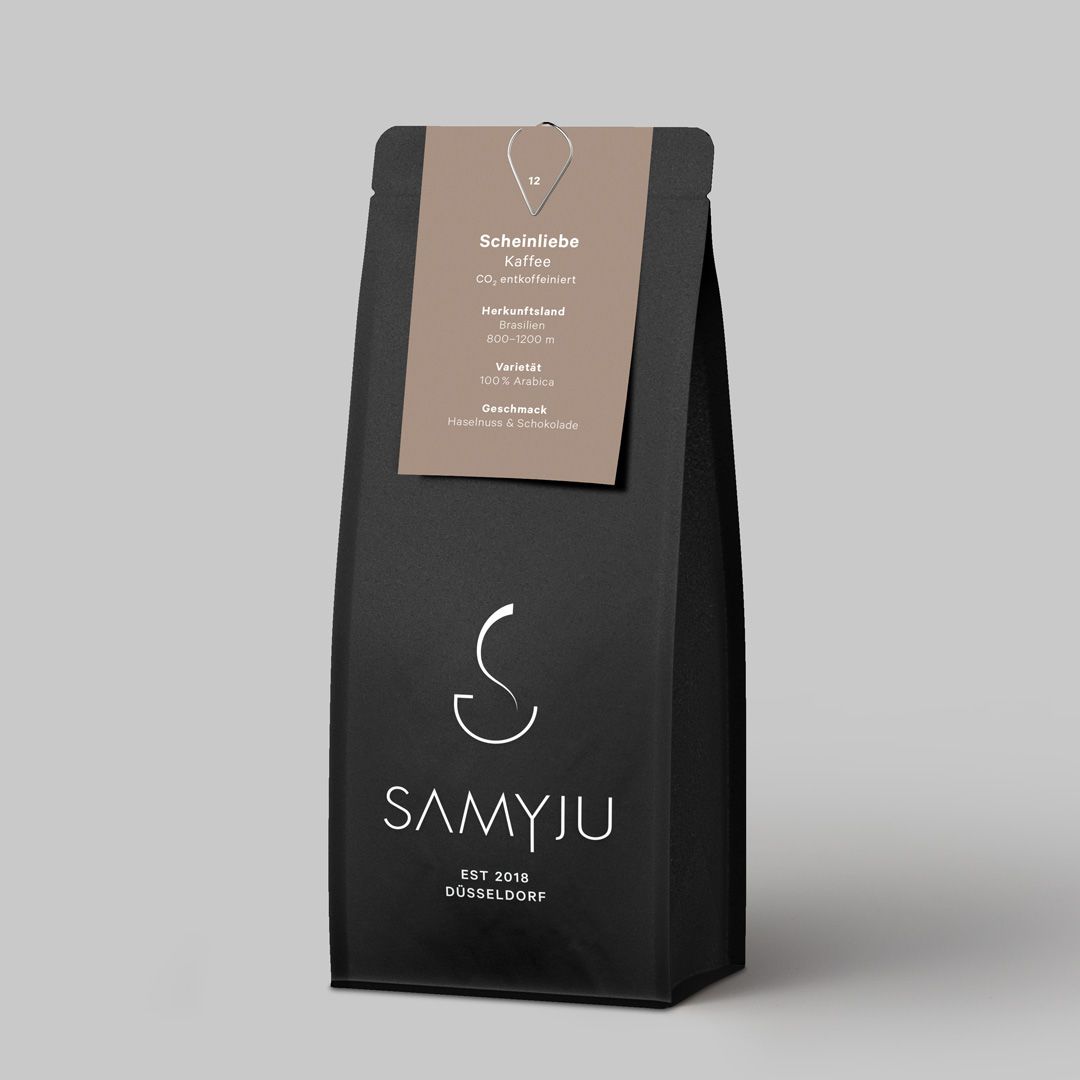
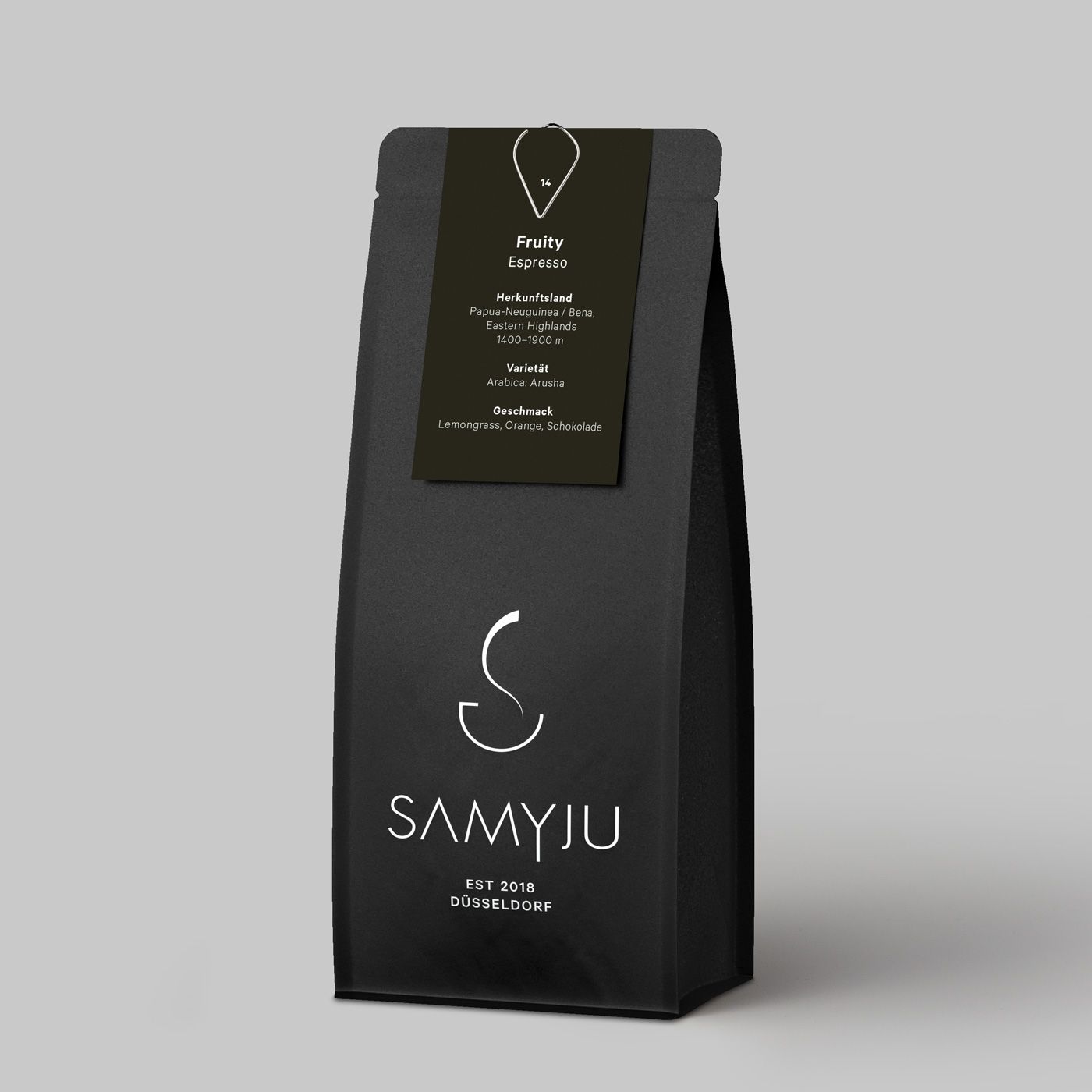
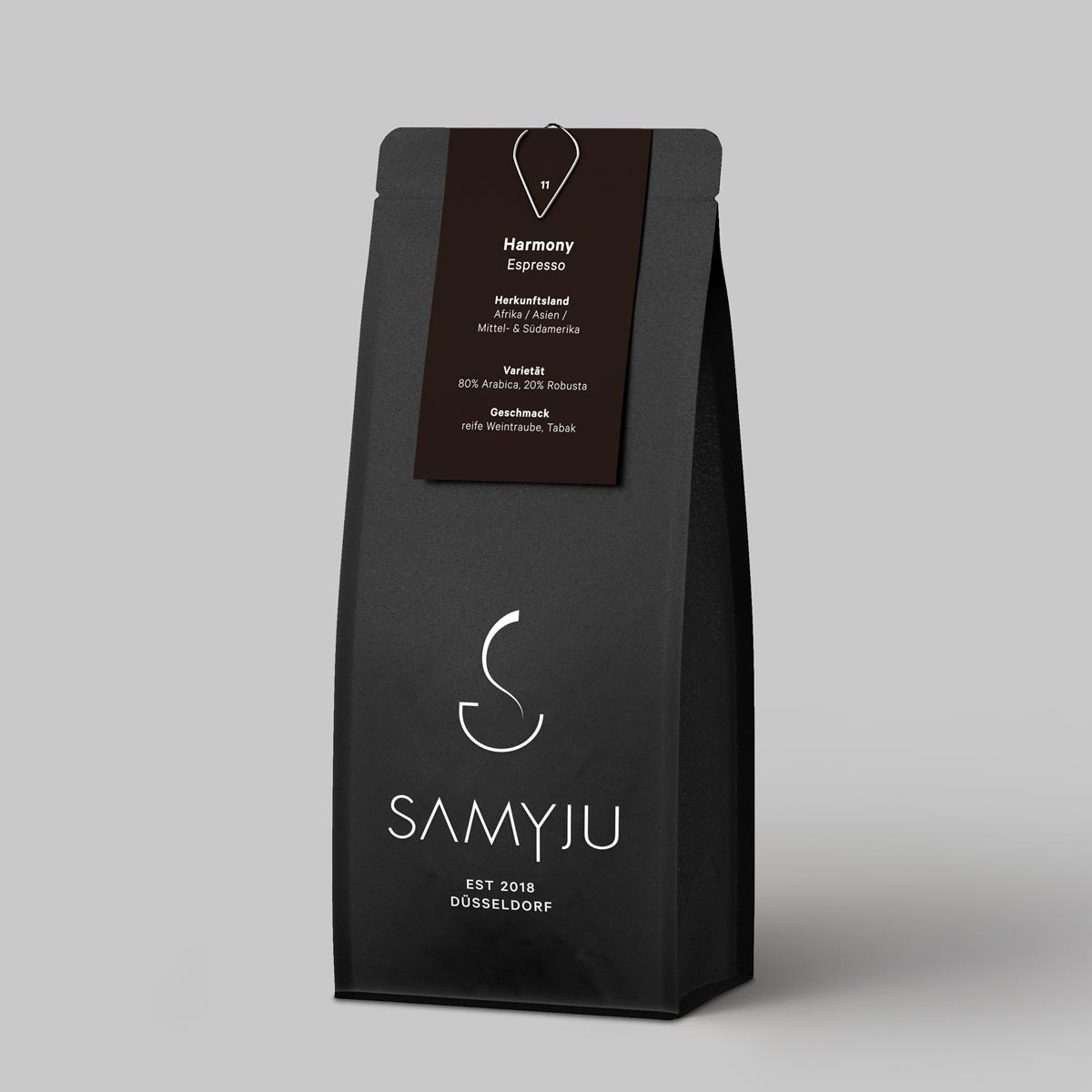
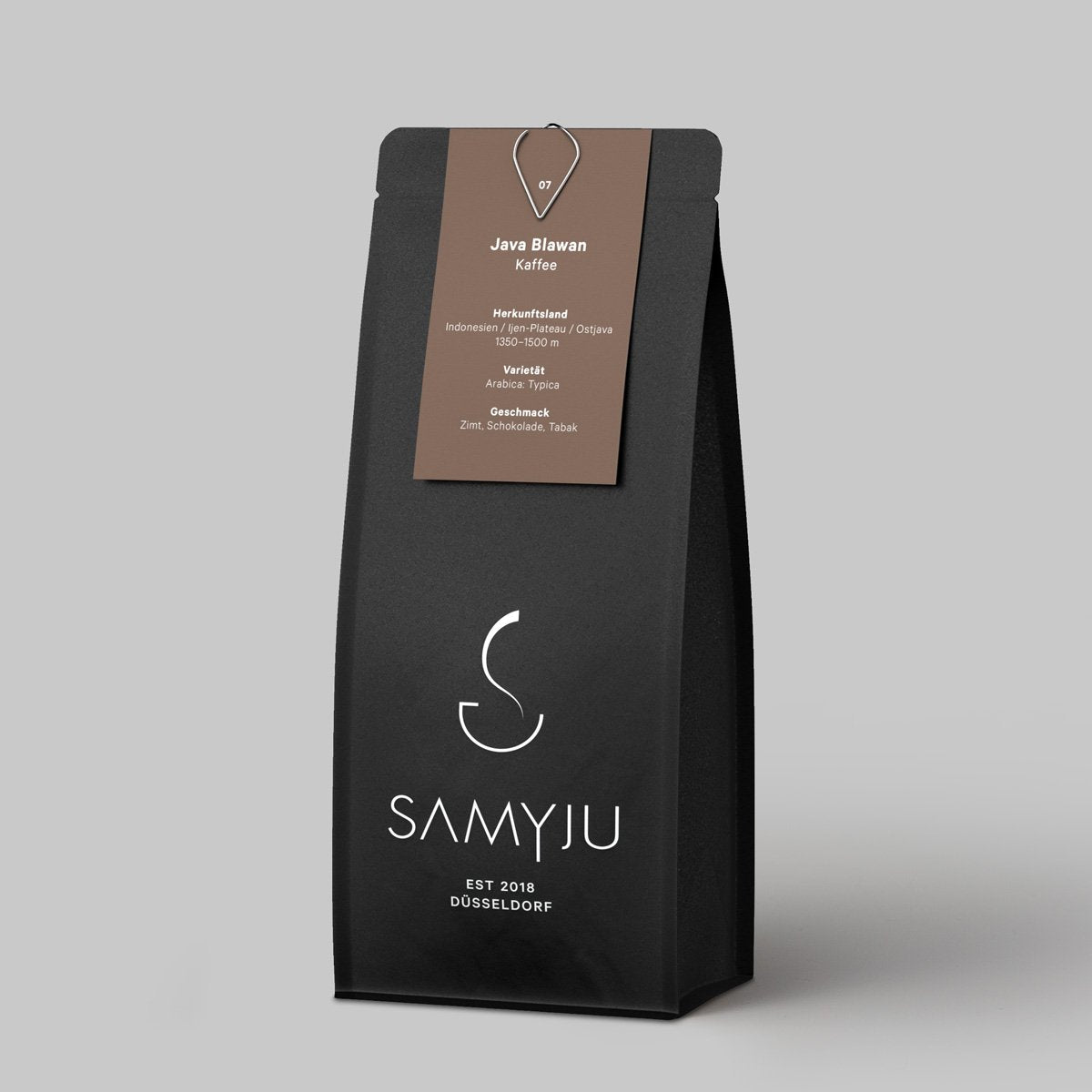
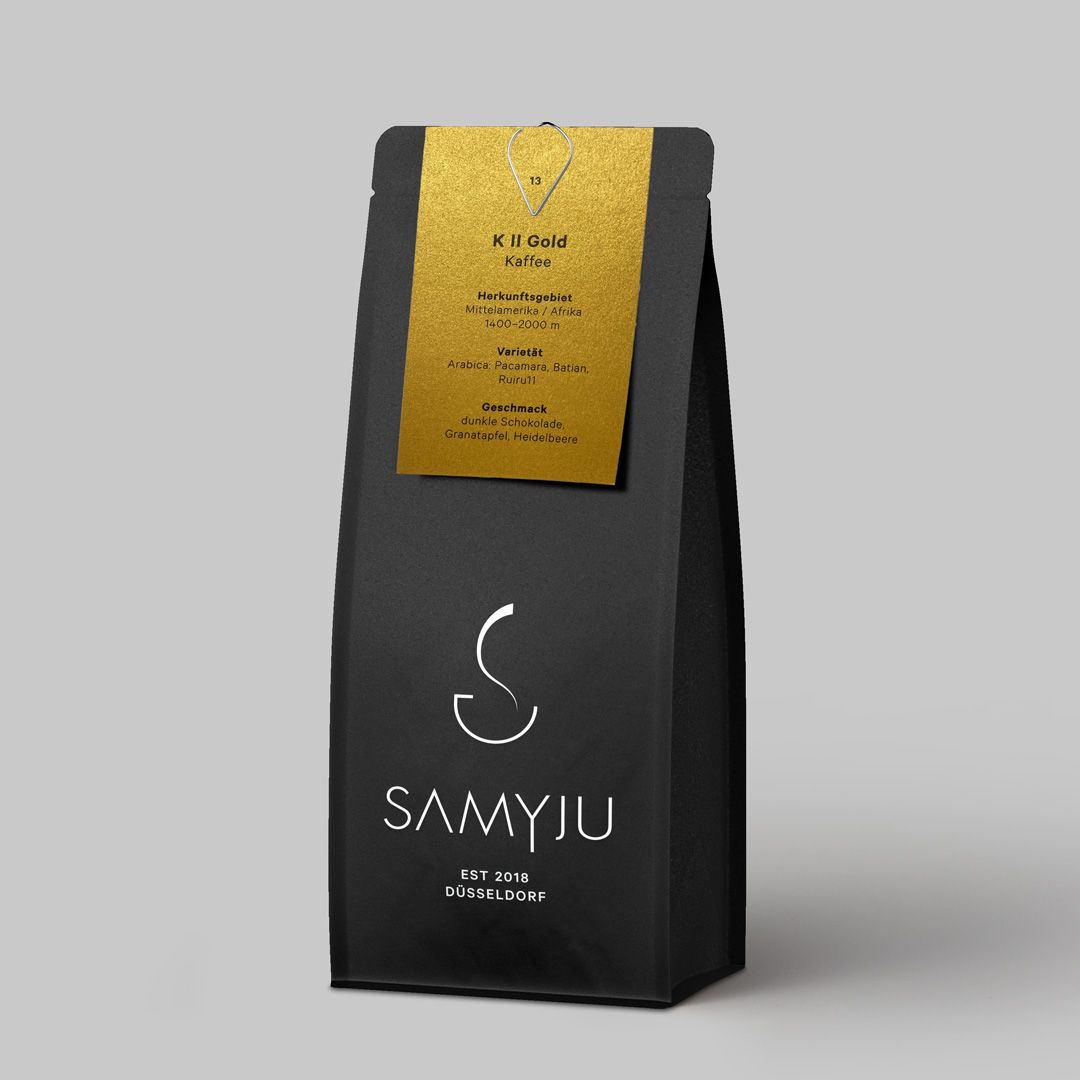
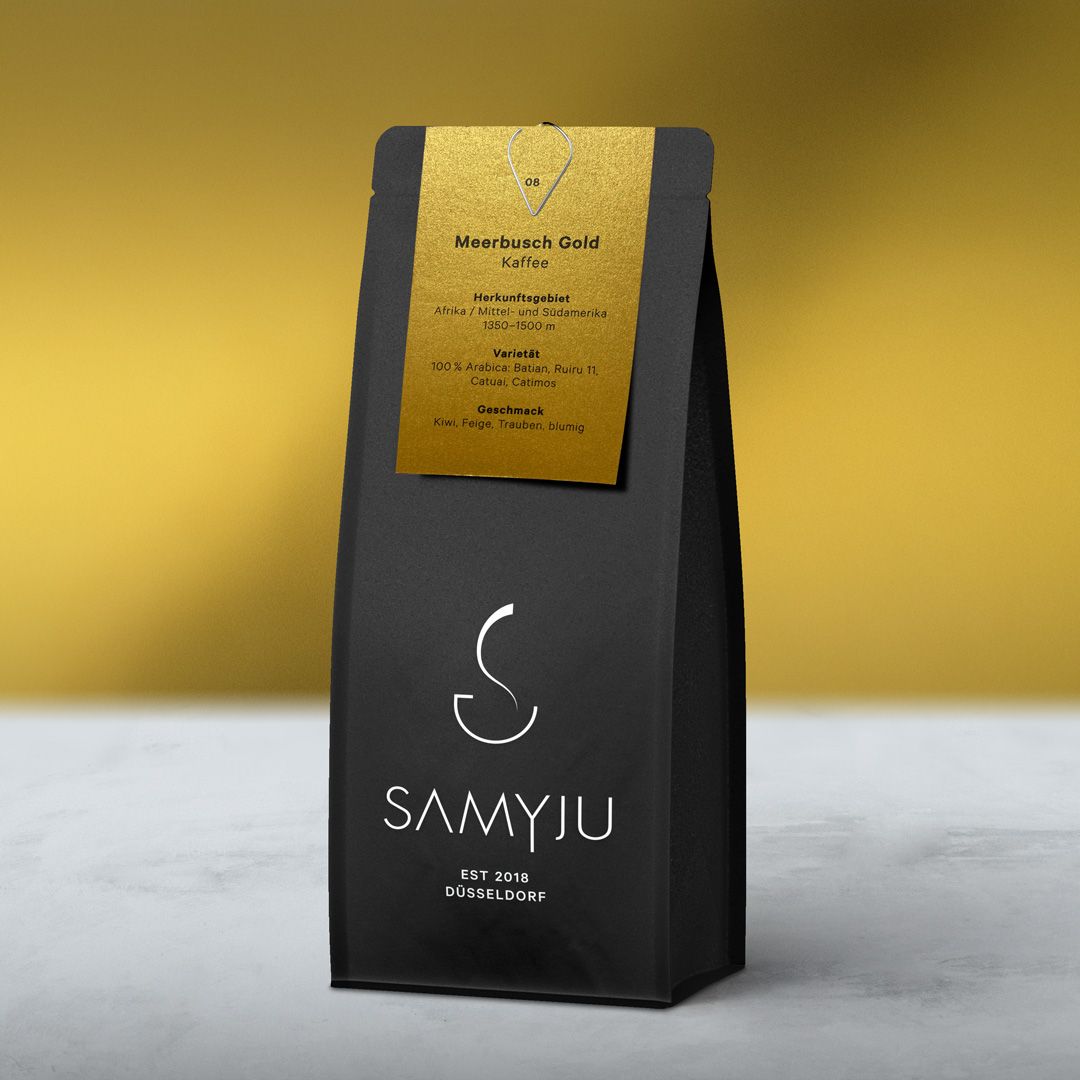
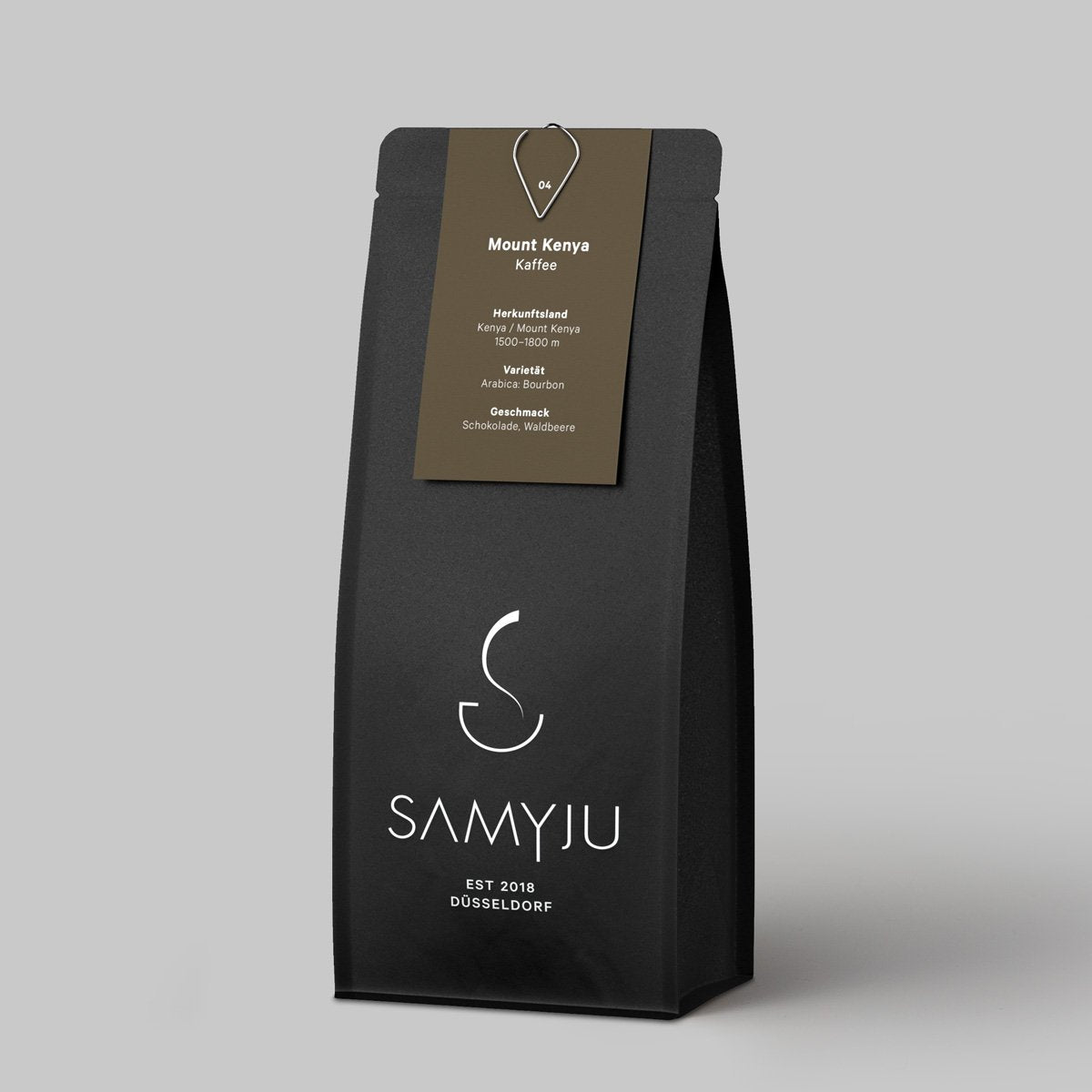

What makes good coffee beans
The quality of a coffee bean is decided long before brewing. Beans that grow at 1,200 to 2,000 metres altitude ripen more slowly and develop more complex aromas. SAMYJU uses the classic drum roasting method: small batches, at least 16 minutes roast time, controlled temperatures. Unlike industrial hot-air roasting, the aroma compounds build up cleanly this way – bitter substances are reduced, acidity is controlled.
Medium Roast
Fruity, floral and tea-like notes. Vibrant acidity, light body. Ideal for filter coffee and pour over methods.
Medium-Dark Roast
Chocolate, nut, subtle sweetness – the all-rounder. Controlled acidity, rounded body. Perfect for bean-to-cup machines and everyday coffee.
Dark Roast
Smoky, spicy, intense. Bold body with caramel notes. Perfect for espresso from the portafilter machine.

Arabica, Robusta – and why both have their place
Arabica coffee beans bring a broad spectrum of flavour notes: from chocolate to stone fruit to floral tones. Robusta delivers more body, stronger crema and twice as much caffeine. In espresso blends, both varieties complement each other – provided the Robusta beans come from controlled cultivation. Whether pure Arabica beans or a blend is the better choice depends on your brewing method. Blanket rules do not help – your palate decides.
A SMALL PARADISE IN A CUP

Espresso
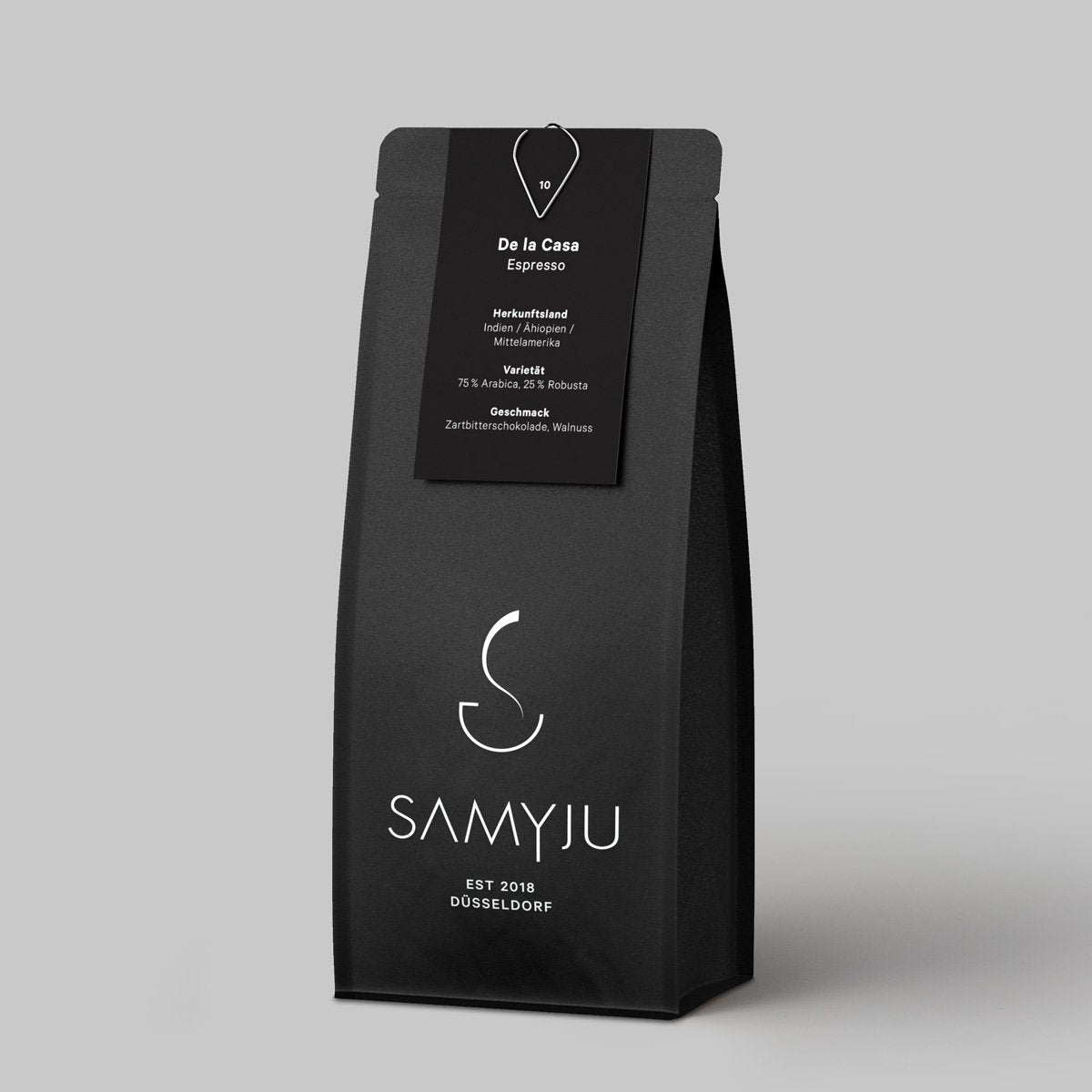
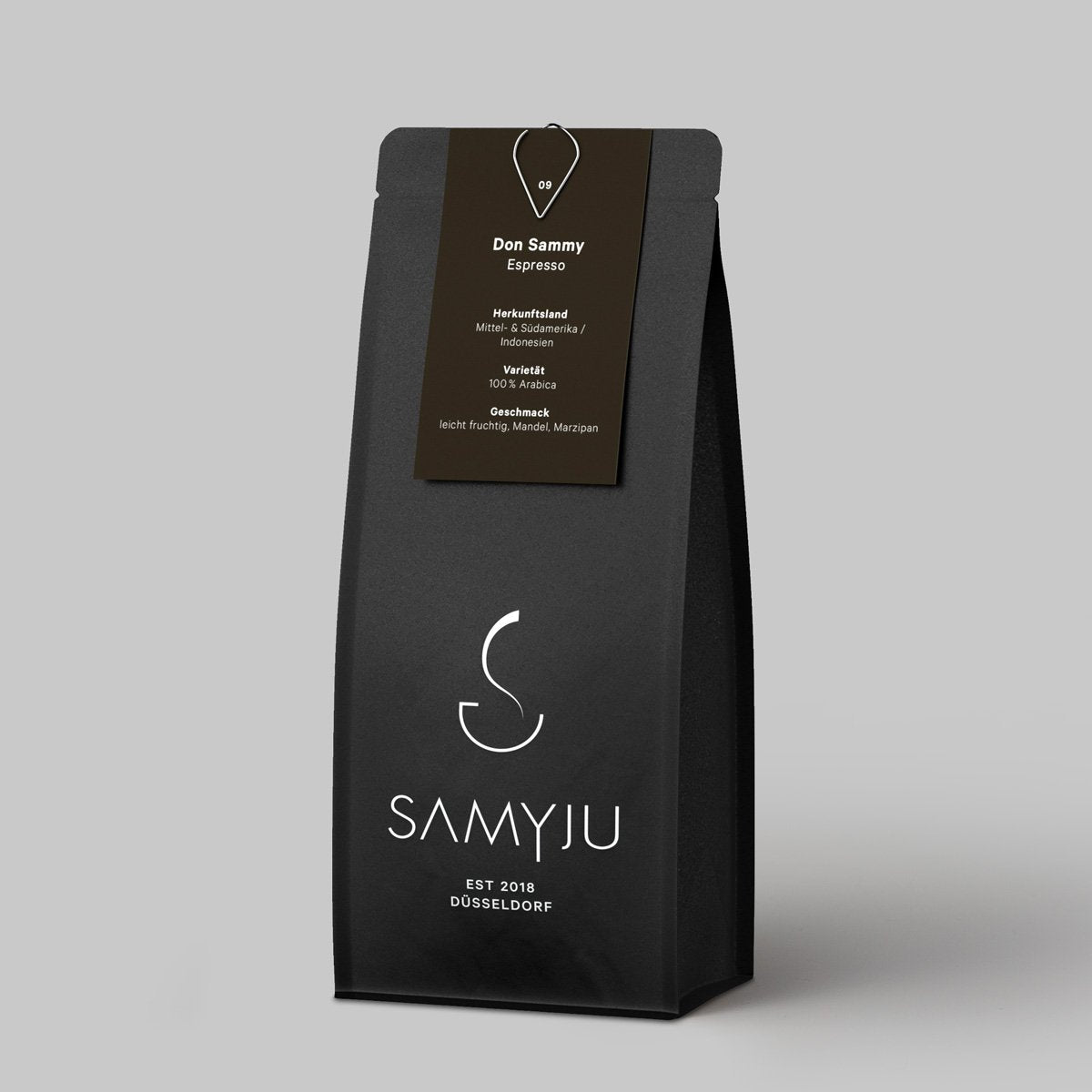
Medium-dark to dark roast. Full body, stable crema, notes of dark chocolate. Optimised for portafilter machines.

Coffee
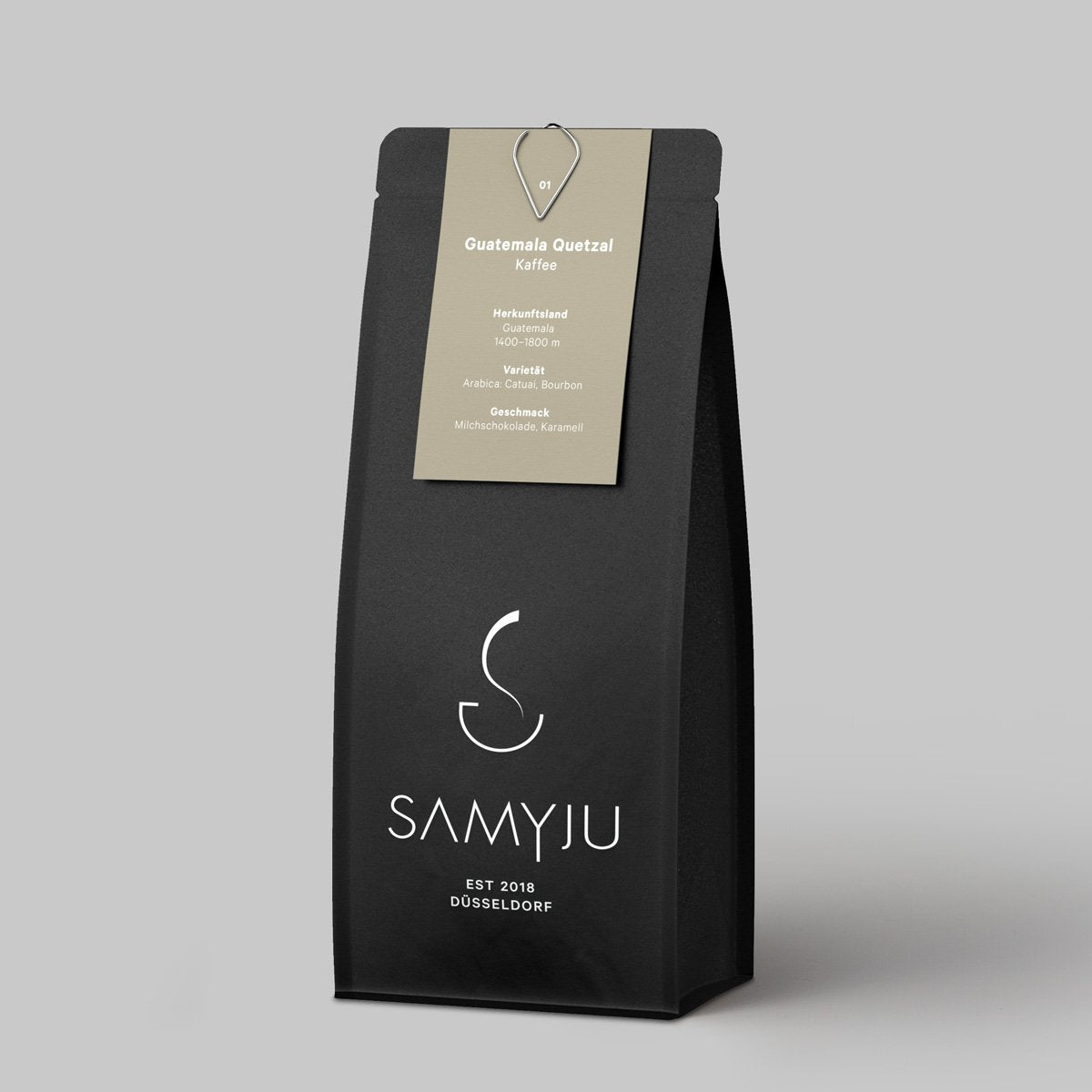
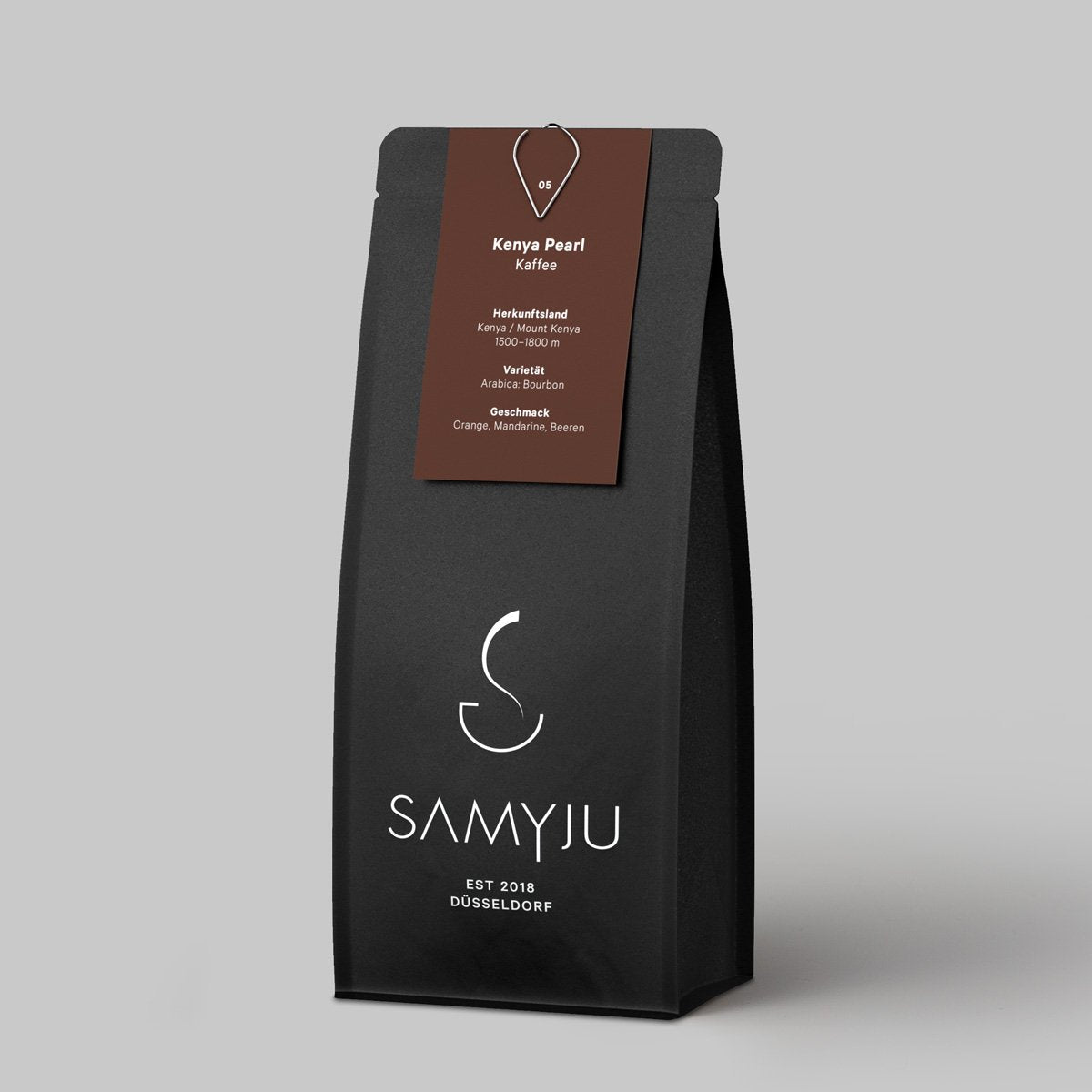
Medium roast. Fruity and floral notes, clean sweetness. For pour over, Chemex and French Press.

Bean-to-Cup Machine
Medium roast level, balanced, not too oily. Reliable flavour with automatic extraction.

Whole Beans
Always choose whole beans. Freshly ground, coffee develops its full aroma – the difference is immediately noticeable.

Freshly roasted, quickly at your door
Coffee beans reach their full aroma potential 7 to 21 days after roasting. That is why we roast to order – no warehousing. The best-before date counts. Aroma-sealed packaging protects the beans on their way to you. The result: coffee that smells wonderful the moment you open it and releases aromas when grinding that supermarket coffee simply cannot deliver.
Frequently Asked Questions about Coffee Beans
Coffee beans with a medium roast level and a balanced flavour profile work most reliably in bean-to-cup machines. They should not be too oily, as excess oil can affect the grinder. Arabica blends or single-origin Arabicas with chocolate and nut notes are a safe choice.
Arabica coffee beans offer finer aromas, less bitterness and moderate intensity. Robusta delivers more body, stronger crema and twice as much caffeine. In espresso blends, both varieties complement each other – provided the Robusta beans come from controlled cultivation.
In an airtight container at room temperature, dark and dry. Not in the fridge – moisture and foreign odours damage the aroma. Whole coffee beans stay aromatic this way for four to six weeks after roasting.
Medium roasts emphasise fruity and floral origin notes. Medium-dark roasts bring chocolate, nut and balance. Dark roasts deliver intensity and smoky notes. At SAMYJU, we roast each variety individually to optimally unlock its specific aroma potential.
Coffee beans lose a large portion of their volatile aroma compounds within 15 to 20 minutes after grinding. Pre-ground coffee from a package has already been through this process weeks ago. Those who grind whole beans just before brewing taste the difference immediately: more complexity, more nuances, more character.